

The Gangasagar Mela 2026 is one of India’s most sacred religious gatherings, attracting millions of pilgrims from across India and around the world each year. The festival will be held from 10 January to 17 January 2026 on Gangasagar Island in West Bengal, at the holy confluence of the River Ganga and the Bay of Bengal. This location is believed to possess immense spiritual power, especially during Makar Sankranti, when devotees take a sacred bath seeking purification and salvation.
The most important day of the Gangasagar festival 2026 is 14 January 2026, which marks Makar Sankranti and the main Gangasagar snan. On this day, the maximum number of pilgrims participate in the holy dip, prayers, and religious rituals, making it the spiritual peak of the mela. Devotees begin arriving days before the main bathing date and continue participating in religious activities throughout the festival period.
At HurryUp Cabs, we understand the spiritual importance of this journey and the need for a smooth, well-planned travel experience. This guide is designed to help you prepare for the Gangasagar Mela 2026 (10–17 January), covering key dates, rituals, travel routes, and practical insights to ensure your Gangasagar pilgrimage is peaceful, well-organized, and memorable.
The Gangasagar Mela is an annual Hindu pilgrimage and religious festival held at Gangasagar in West Bengal, at the sacred point where the River Ganga merges with the Bay of Bengal. It is considered the second-largest religious gathering in India after the Kumbh Mela and holds immense importance in Hindu belief systems. The festival reaches its spiritual peak on Makar Sankranti, when millions of devotees gather to take a ritual bath in the holy waters.
According to Hindu tradition, a sacred dip at Gangasagar on Makar Sankranti is believed to cleanse past sins and grant spiritual merit that is equivalent to performing thousands of yajnas. This belief has been passed down through generations, making the Gangasagar pilgrimage a once-in-a-lifetime aspiration for many devotees. Saints, sadhus, and pilgrims from every corner of India participate in prayers, meditation, and charity during the mela.
The spiritual roots of the Gangasagar festival are closely linked to the legend of Kapil Muni, one of the great sages of ancient India. It is believed that Kapil Muni meditated at this very spot and guided the souls of King Sagara’s sons toward liberation. The Kapil Muni temple at Gangasagar continues to be a central place of worship, where devotees offer prayers after completing the holy dip.
Over the years, the Gangasagar Mela has evolved into a massive cultural and spiritual congregation, reflecting India’s unity in faith. Despite the growing scale and modern arrangements, the essence of the mela remains unchanged—deep devotion, discipline, and surrender at one of Hinduism’s most sacred confluences.
The Gangasagar Mela is observed every year in mid-January, coinciding with Makar Sankranti, an auspicious Hindu festival that marks the sun’s transition into the zodiac sign Capricorn. This celestial event is believed to signify spiritual renewal, making it one of the most important periods in the Hindu calendar. The Gangasagar Mela 2026 holds special importance for devotees undertaking the sacred Gangasagar pilgrimage.
In 2026, the festival will reach its spiritual peak on 14 January, which is the primary day for the Makar Sankranti Snan. On this day, millions of pilgrims gather at Gangasagar Island in West Bengal to take a holy dip at the confluence of the River Ganga and the Bay of Bengal. This ritual bathing is believed to absolve sins and grant divine blessings, making it the most significant moment of the entire mela.
While 14 January 2026 marks the main bathing day, the Gangasagar festival extends over several days. Devotees begin arriving well in advance to participate in prayers, bhajans, and spiritual preparations, with religious activities gradually intensifying as Makar Sankranti approaches. The culmination of these rituals creates an atmosphere of deep devotion and collective faith across Ganga Sagar, West Bengal.
The most sacred ritual of the Gangasagar Mela is the Punya Snan, performed during the early hours of Makar Sankranti. Taking a holy dip at the sacred confluence is believed to purify the soul, cleanse past karmic sins, and pave the way toward spiritual liberation. For many devotees, completing the Makar Sankranti snan at Gangasagar is considered equivalent to multiple major pilgrimages.
A visit to the ancient Kapil Muni Temple at Gangasagar is an integral part of the pilgrimage. Devotees offer prayers and perform rituals at the temple after completing the holy bath, seeking blessings from Sage Kapil Muni, whose spiritual legacy is deeply connected to the origins of the Gangasagar pilgrimage.
Throughout the mela period, pilgrims participate in traditional religious ceremonies such as yagnas, deep daan (lighting of oil lamps), mantra chanting, and charitable offerings. These rituals create a spiritually charged environment, reinforcing the religious significance of the Gangasagar festival and strengthening communal devotion.
The West Bengal Gangasagar Mela serves as a powerful symbol of unity, bringing together pilgrims from different regions, languages, and traditions. The shared journey, collective prayers, and disciplined observance foster a deep sense of cultural exchange and spiritual harmony.
Given the scale of the event, with attendance often reaching tens of millions, authorities undertake extensive preparations each year. These include enhanced security arrangements, medical facilities, crowd management systems, and navigational support to ensure the safety and smooth movement of pilgrims throughout the Gangasagar Mela 2026.
Gangasagar Island is located in the South 24 Parganas district of West Bengal, at the southernmost edge of the Ganga delta. It lies where the sacred River Ganga finally meets the Bay of Bengal, creating one of the most spiritually significant confluences in Hindu belief. This geographical position makes Ganga Sagar, West Bengal not just a physical destination, but a deeply symbolic one for devotees undertaking the Gangasagar pilgrimage.
Surrounded by expansive sandy shores and an open sea horizon, Gangasagar Island offers a rare blend of natural serenity and spiritual intensity. The rhythmic tides, vast coastline, and uncluttered landscape create an atmosphere that encourages reflection, prayer, and inner calm—especially during the days of the Gangasagar Mela, when faith and devotion transform the island into a sacred space.
What truly sets Gangasagar apart is the belief that this confluence holds the highest spiritual merit during Makar Sankranti. For millions of pilgrims, visiting Gangasagar during the mela represents the culmination of faith, penance, and hope for spiritual renewal. This powerful combination of geography, mythology, and tradition is why Gangasagar Island in West Bengal continues to draw devotees year after year, making it one of India’s most important pilgrimage destinations.
During the Gangasagar Mela, religious activities follow a traditional rhythm centered around dawn and dusk, with the most important rituals taking place on Makar Sankranti. While exact timings may vary slightly depending on crowd movement and administrative arrangements, the core schedule remains largely consistent every year.
The Gangasagar holy dip begins in the early hours of the morning, making it the most spiritually significant ritual of the mela.
Devotees believe that taking the Makar Sankranti snan at Gangasagar during the early morning hours offers the highest spiritual merit.
The Kapil Muni Temple remains the focal point of worship throughout the Gangasagar festival, especially after pilgrims complete the holy dip.
On Makar Sankranti, darshan hours may be extended to accommodate the large number of pilgrims.
One of the most visually and spiritually moving aspects of the Gangasagar Mela takes place in the evening.
Pilgrims light earthen lamps (diyas) and float them on the water, creating a serene and festive atmosphere at the confluence of the Ganga and the Bay of Bengal.
Getting to Gangasagar can be one of the most rewarding aspects of your pilgrimage if planned right. Here’s a comprehensive breakdown of transport options—with a special focus on cab travel:
One of the most comfortable and flexible ways to reach Gangasagar is by road. HurryUp Cab offers reliable services tailored for pilgrimages, long-distance routes, and group travel.
Cab services from Kolkata are especially popular among pilgrims originating from Eastern India, offering door-to-door comfort without the hassle of transfers. Local operators sometimes offer bundled assistance with ferry coordination and waiting time arrangements.
Why Choose a Cab?
At HurryUp Cabs, you can book a Kolkata to Gangasagar taxi or West Bengal taxi service with ease. Whether it’s an economical sedan or a spacious SUV for group travel, we provide reliable rides for pilgrims and tourists alike.
State-run and private buses offer direct and connecting routes from major cities like Kolkata, Howrah, or Kolkata Airport to Kakdwip, where passengers then take a ferry to reach Gangasagar Island.
Buses are budget-friendly but can get crowded during the peak mela period, so booking ahead is recommended.
If you prefer rail travel:
This option blends affordability with convenience but requires more coordination, especially with connecting vehicles and ferry timings.
No matter your mode of transport to the coast, a ferry is essential to cross the Muriganga River to reach Sagar Island where Gangasagar sits.
Ferries operate frequently but lines can be long at peak hours, so early arrival at the dock is wise.
The nearest airport is Netaji Subhas Chandra Bose International Airport in Kolkata. From there, pilgrims can take a private cab or taxi service—like HurryUp Cab—for a seamless journey to Gangasagar.
Safety First: Maintain contact numbers and note nearby medical points.
Every year, millions see the Gangasagar pilgrimage as a once-in-a-lifetime spiritual journey—a chance at forgiveness, blessing, and peace of mind. In 2026, preparations are especially extensive, with improved crowd handling and safety protocols ensuring devotees can focus on faith.
From the sacred Kapil Muni temple to the dance of sunshine on the Bay of Bengal, Gangasagar is a place where devotion meets nature in its rawest form.
The Gangasagar Mela 2026 remains a pinnacle of faith, tradition, and cultural unity. Whether you’re seeking spiritual solace, a deep cultural experience, or a respectful pilgrimage, planning ahead is key.
With HurryUp Cabs, your journey becomes comfortable, stress-free, and memorable. From Kolkata to Gangasagar taxi services to local transport support, we’re here to make your sacred journey smooth and fulfilling.
Book your cab early, embrace the spiritual journey, and prepare for an unforgettable pilgrimage this Makar Sankranti!

 Coimbatore to Bangalore Distance by Car, Bus & Train – Complete Guide
July 21, 2026
Coimbatore to Bangalore Distance by Car, Bus & Train – Complete Guide
July 21, 2026
 Bangalore to Tirupati Distance: Complete Road Trip Guide
July 15, 2026
Bangalore to Tirupati Distance: Complete Road Trip Guide
July 15, 2026
 Pune to Bhimashankar Distance, Route, How to Reach & Travel Guide
July 07, 2026
Pune to Bhimashankar Distance, Route, How to Reach & Travel Guide
July 07, 2026
 Hyderabad to Tirupati Distance: Route Guide, Travel Time & Best Way to Travel
June 27, 2026
Hyderabad to Tirupati Distance: Route Guide, Travel Time & Best Way to Travel
June 27, 2026
 Jagannath Temple in Puri: Complete Visitor Guide — Darshan Timings, Entry Rules & Tips (2026)
June 16, 2026
Jagannath Temple in Puri: Complete Visitor Guide — Darshan Timings, Entry Rules & Tips (2026)
June 16, 2026
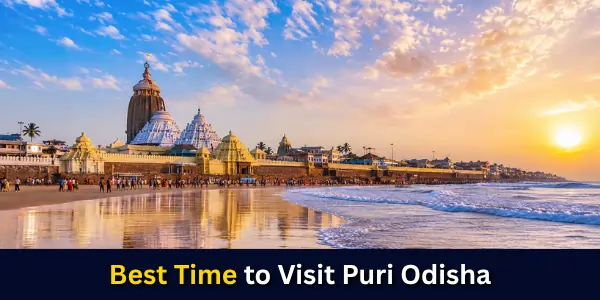 Best Time to Visit Puri Odisha: Month-by-Month Guide for Every Traveller
June 11, 2026
Best Time to Visit Puri Odisha: Month-by-Month Guide for Every Traveller
June 11, 2026
 Kolkata to Digha Distance: Complete Road Trip & Travel Guide
May 29, 2026
Kolkata to Digha Distance: Complete Road Trip & Travel Guide
May 29, 2026
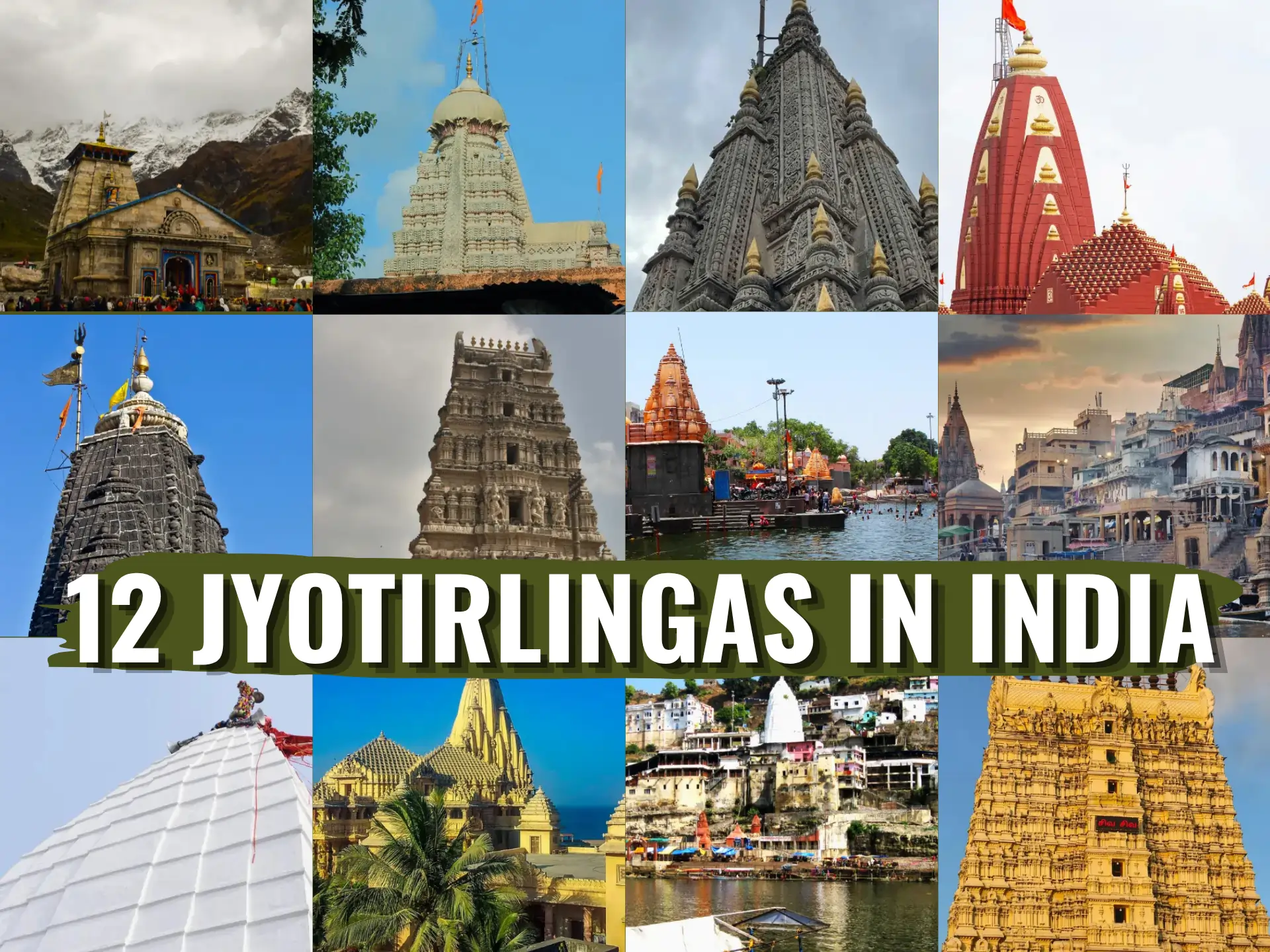 12 Jyotirlingas in India: Complete Guide to Locations, Significance & How to Reach Them
May 22, 2026
12 Jyotirlingas in India: Complete Guide to Locations, Significance & How to Reach Them
May 22, 2026
 Best Places to Visit in July in South India
May 11, 2026
Best Places to Visit in July in South India
May 11, 2026
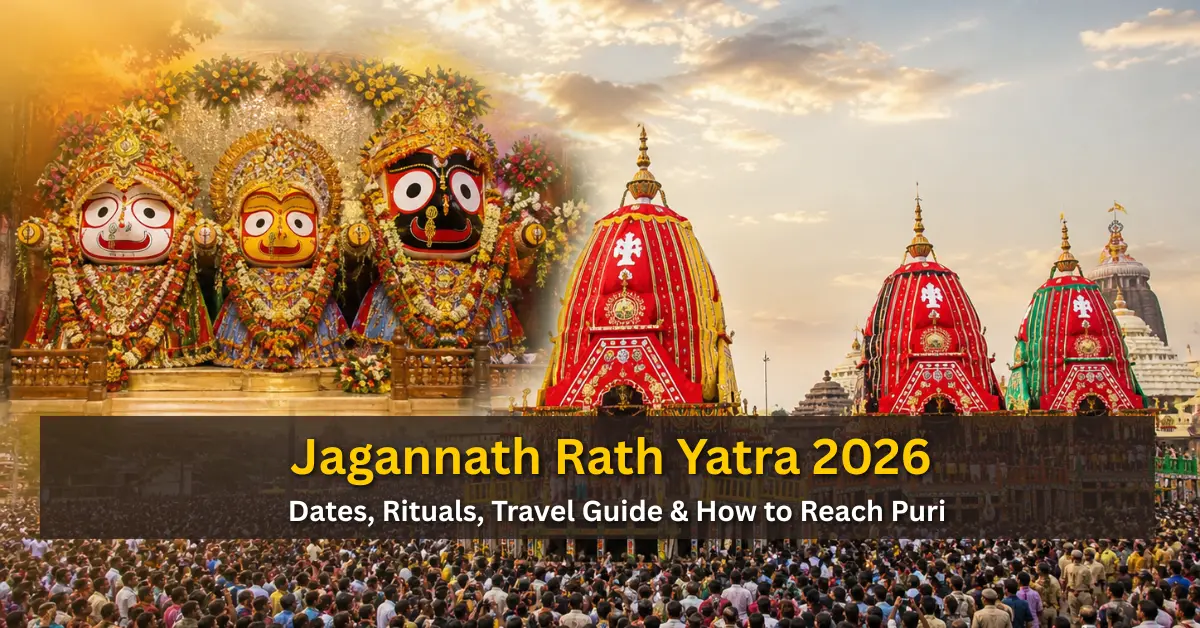 Jagannath Rath Yatra 2026: Dates, Rituals, Travel Guide & How to Reach Puri
May 02, 2026
Jagannath Rath Yatra 2026: Dates, Rituals, Travel Guide & How to Reach Puri
May 02, 2026

0 Comments
No comments yet. Be the first to share your thoughts!
Leave a Comment