24×7 Cab Booking

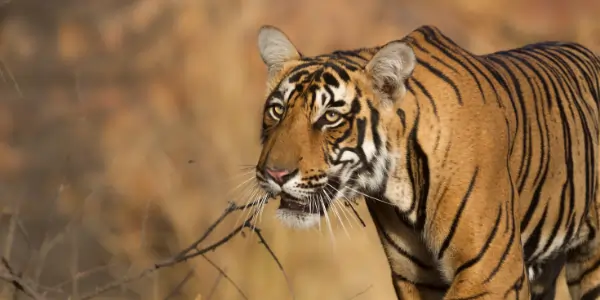
Nestled in the heart of Rajasthan, Ranthambore National Park is one of India’s most iconic wildlife destinations—famous not just for its majestic Royal Bengal Tigers, but also for its ancient ruins, serene lakes, and breathtaking landscapes. Whether you’re a nature enthusiast, wildlife photographer, or culture lover, Ranthambore promises an unforgettable experience.
From thrilling jeep safaris through dense jungle trails to exploring the historic Ranthambore Fort, every corner of this park tells a story. Beyond the wildlife, there’s an array of cultural and natural attractions that make it a complete travel package. The charm of watching a tiger stroll past a 10th-century temple is simply unmatched.
But timing matters. Visiting during the right season can dramatically elevate your safari success and overall experience. In this blog, we’ll explore the best time to visit Ranthambore, top places to visit, and exciting things to do that make this national park a must-visit destination.
Planning to visit Ranthambore? Book a comfortable and reliable cab with Hurry Up Cabs for a smooth journey from your city to the wild heart of Rajasthan. Experience stress-free travel with professional drivers and doorstep pickup.

Ranthambore National Park remains open to visitors from October to June, making it a seasonal destination due to conservation needs and weather conditions. The core zones of the park remain closed during the monsoon months (July to September) as heavy rains make safari routes inaccessible and wildlife activity harder to predict. However, some buffer zones may remain accessible during this period.
To help you plan better, here’s a season-by-season breakdown of when to visit Ranthambore and what to expect during each time of the year:
Winter is considered the most pleasant time to visit Ranthambore. With daytime temperatures ranging between 10°C to 30°C, the weather is ideal for safaris and sightseeing. The park is lush and green after the monsoon, offering scenic backdrops for photography and a comfortable environment for travel. However, due to the thick foliage, tiger sightings might be slightly lower as the dense greenery offers more hiding spots for the animals.
This season is perfect for first-time visitors, families, and those who want to enjoy Ranthambore’s beauty without enduring harsh weather.
Summers in Ranthambore can be intensely hot, with temperatures soaring up to 40°C. But don’t let the heat scare you—this is peak season for tiger sightings. As natural water sources begin to dry up, tigers and other wildlife are often seen near man-made watering holes, making it easier to spot them during safaris.
If you’re a wildlife photographer or hardcore safari lover, summer offers the best chances for dramatic animal encounters. Just ensure you’re well-prepared with hats, sunscreen, and lots of water.
During the monsoon months, Ranthambore’s core safari zones are closed to visitors. However, a few buffer zones may stay open, depending on rainfall and forest conditions. The forest becomes dense and vibrant, and the park enjoys a peaceful, rejuvenating atmosphere. Though tiger sightings are rare in this season, it can still appeal to off-beat travelers, bird watchers, and those seeking solitude in nature.
Monsoon is not ideal for wildlife safaris but may still attract nature lovers who prefer tranquility over crowds.
Ranthambore offers two safari slots daily—one in the morning (around 6:30 AM) and the other in the afternoon (around 2:30 PM). Exact timings vary slightly by month. Morning safaris are cooler and better for bird watching, while afternoon safaris are usually warmer but excellent for spotting tigers at waterholes.
Choose your time and season based on what you wish to experience—whether it's spotting a majestic tiger in the wild or soaking in the serenity of the forest.
Ranthambore isn't just about tiger sightings—it's a rare blend of wild nature, ancient history, and vibrant culture. From deep inside the national park to its neighboring regions, there's a wealth of unique places waiting to be explored. Whether you're an adventure seeker, a history buff, or a serene nature lover, these top places to visit in Ranthambore National Park will make your trip truly unforgettable.

Perched high above the jungle, Ranthambore Fort is a UNESCO World Heritage Site dating back to the 10th century. This massive structure showcases a fusion of Rajput and Mughal architecture, complete with ancient temples, crumbling gates, and wide courtyards offering panoramic views of the forest below.
Within the fort lies the famous Trinetra Ganesh Temple, home to Lord Ganesha with three eyes—one of the oldest Ganesh temples in India. Pilgrims from across Rajasthan visit here to seek blessings, especially before embarking on new ventures. The fort's location inside the national park adds a mystical charm to your wildlife journey.

Padam Talao is the largest lake in Ranthambore, often frequented by animals during early morning and dusk. It's one of the best spots in the park to witness wildlife in a natural setting, with the tranquil water reflecting the surrounding forest.
On the banks of this lake sits Jogi Mahal, a striking red sandstone structure once used as a rest house for royal families and dignitaries. Though not open to the public, it remains an iconic landmark and a favorite for photographers.

Located between Padam Talao and Malik Talao, the Raj Bagh ruins feature broken arches, palace remnants, and stone pillars slowly being reclaimed by nature. The area is not only scenic but also frequented by tigers, leopards, and deer, creating a surreal mix of heritage and wildlife. It's an ideal spot for both history lovers and wildlife photographers.

A densely vegetated zone within the park, Bakaula is known for its cool, shady glades and multiple small waterholes. Its thick forest cover makes it a great habitat for tigresses with cubs, and the chances of spotting a tigress here with her little ones are quite high—though you'll need a bit of patience.

Located near the outer edges of the park, Kachida Valley is characterized by rocky outcrops and hillocks, making it distinct from the flatlands of other zones. It's a prime location for spotting leopards and sloth bears, both of which prefer the more secluded terrain away from dominant tigers.

Ranthambore is divided into 10 safari zones, each offering a unique landscape and chance to see wildlife.
Whether you pick a jeep or canter safari, understanding these zones can help you make the most of your visit.
Just 25 minutes from Ranthambore, Surwal Lake is a scenic, lesser-known spot ideal for bird watching, especially in winter. Migratory birds like flamingos, spoonbills, and sarus cranes visit the lake, making it a bird lover's paradise. The peaceful, mirror-like lake is also great for a morning nature walk or picnic.
Located near Ramsinghpura village, this museum is perfect for travelers interested in understanding the biodiversity, ecology, and tribal culture of the region. It has interactive exhibits, taxidermy displays, and educational galleries covering everything from local wildlife to desert ecosystems. A great stop for families and students visiting Ranthambore.
Just 9 km from Sawai Madhopur, Shilpgram is an ethnographic museum and cultural complex that celebrates the art, music, and craftsmanship of Rajasthan. Spread over 22 acres, it hosts live folk performances, exhibitions, and a variety of stalls showcasing local handicrafts, textiles, and pottery. It's an excellent place to shop for souvenirs or simply experience local culture up close.
Bonus Mentions
Whether you're here for the thrill of a tiger sighting or the serenity of ancient ruins and quiet lakes, Ranthambore is packed with diverse attractions that make it much more than just a wildlife destination. Exploring both inside and outside the park offers a rich, well-rounded travel experience.
Ranthambore is more than a wildlife sanctuary—it's a full-spectrum experience of nature, history, and rural Rajasthani culture. Whether you're an adventure enthusiast, spiritual seeker, or culture explorer, here are the top things to do in Ranthambore to make your trip memorable.

The most exciting part of any Ranthambore trip is the safari, offered in two formats:
Morning safaris (around 6:30 AM) are best for bird watching and cooler temperatures, while afternoon safaris (around 2:30 PM) increase the chances of spotting tigers near waterholes. Always book your safari in advance and choose zones wisely—zones 1 to 5 are known for higher tiger sightings.
Ranthambore is one of India’s top tiger reserves, but there's much more to see than just the big cat. The park is home to:
The best chances to spot tigers and other wildlife are during summer months, when animals gather around the few remaining water sources. However, winter offers lush landscapes and ideal conditions for birdwatching and general wildlife sightings.
For a completely different perspective, you can opt for a hot air balloon ride over the Ranthambore forests and surrounding countryside. The experience offers aerial views of the fort, forest canopy, and sometimes even spotting wildlife from above. These rides usually take place during sunrise and are available in cooler months, especially October to March. It's a perfect option for couples and photographers.
Ranthambore isn’t just for big game—it's a birdwatcher's paradise. Places like Surwal Lake, Padam Talao, and Malik Talao attract numerous migratory birds during the winter months. You can spot flamingos, spoonbills, kingfishers, painted storks, and even rare species like the Indian skimmer. Early morning is the best time for a peaceful walk and unforgettable bird photography.
History lovers will enjoy visiting Ranthambore Fort with its ancient temples dedicated to Lord Ganesh, Lord Shiva, and Jain deities. Don’t miss the Trinetra Ganesh Temple, which draws daily local pilgrims.
Outside the park, visit Shilpgram, a traditional arts and crafts village offering live performances, puppet shows, and a marketplace for local handicrafts. It’s a great spot to connect with Rajasthani culture and take home handcrafted souvenirs.
Ranthambore is a photographer's dream, especially during the golden hours of sunrise and sunset. Whether you’re shooting landscapes, tigers, birds, or crumbling fort walls, make sure to bring:
Patience, timing, and a little luck go a long way!
To make your Ranthambore trip smooth and enjoyable, here are some essential planning insights:
Ranthambore has stay options for every type of traveler:
Most accommodations are located around Sawai Madhopur, the nearest town, just 10 km from the park gate.
For a smooth, reliable, and affordable taxi ride to Ranthambore, book with Hurry Up Cabs—trusted for clean cars, professional drivers, and timely pickups.
Ranthambore is more than just a tiger reserve—it’s an immersive experience that blends raw wilderness, regal heritage, and serene landscapes into one unforgettable destination. Whether you're a passionate wildlife photographer, a history buff, or simply seeking a peaceful retreat in nature, Ranthambore offers something truly magical. From thrilling safaris and rare tiger sightings to tranquil lakes, ancient forts, and cultural escapades, every day spent here leaves you richer in memories.
The park’s versatility makes it ideal for all types of travellers—solo explorers, couples, families, or groups. Plan your visit around the best time (October to June), choose the right safari zones, and indulge in offbeat activities like hot air ballooning or village walks to make the most of your trip.
Traveling to Ranthambore is easier than ever. Whether you're coming from Jaipur, Agra, Delhi, or Kota, a pre-booked taxi or car rental ensures a relaxed journey right to your resort or safari gate. No delays, no last-minute hassles.
And to make your road trip even smoother, rely on Hurry Up Cabs—your trusted partner for Ranthambore cab booking. With well-maintained cars, experienced drivers, transparent pricing, and 24/7 support, they make reaching Ranthambore just as enjoyable as being there.

 Tirupati to Hyderabad Distance: Travel Time, Routes & Best Way to Travel
September 17, 2026
Tirupati to Hyderabad Distance: Travel Time, Routes & Best Way to Travel
September 17, 2026
 Pune to Aurangabad Distance: Complete Travel Guide & Route Info
September 05, 2026
Pune to Aurangabad Distance: Complete Travel Guide & Route Info
September 05, 2026
 Tirupati to Bangalore Distance: Route & Travel Guide
August 29, 2026
Tirupati to Bangalore Distance: Route & Travel Guide
August 29, 2026
 Coimbatore to Bangalore Distance by Car, Bus & Train – Complete Guide
July 21, 2026
Coimbatore to Bangalore Distance by Car, Bus & Train – Complete Guide
July 21, 2026
 Bangalore to Tirupati Distance: Complete Road Trip Guide
July 15, 2026
Bangalore to Tirupati Distance: Complete Road Trip Guide
July 15, 2026
 Pune to Bhimashankar Distance, Route, How to Reach & Travel Guide
July 07, 2026
Pune to Bhimashankar Distance, Route, How to Reach & Travel Guide
July 07, 2026
 Hyderabad to Tirupati Distance: Route Guide, Travel Time & Best Way to Travel
June 27, 2026
Hyderabad to Tirupati Distance: Route Guide, Travel Time & Best Way to Travel
June 27, 2026
 Jagannath Temple in Puri: Complete Visitor Guide — Darshan Timings, Entry Rules & Tips (2026)
June 16, 2026
Jagannath Temple in Puri: Complete Visitor Guide — Darshan Timings, Entry Rules & Tips (2026)
June 16, 2026
 Best Time to Visit Puri Odisha: Month-by-Month Guide for Every Traveller
June 11, 2026
Best Time to Visit Puri Odisha: Month-by-Month Guide for Every Traveller
June 11, 2026
 Kolkata to Digha Distance: Complete Road Trip & Travel Guide
May 29, 2026
Kolkata to Digha Distance: Complete Road Trip & Travel Guide
May 29, 2026

0 Comments
No comments yet. Be the first to share your thoughts!
Leave a Comment