Maha Shivaratri 2026: Complete Guide to Date, Timings, Rituals & Celebrations
Published on 03-Feb-2026 05:26 PM Explore: Spiritual Places in India
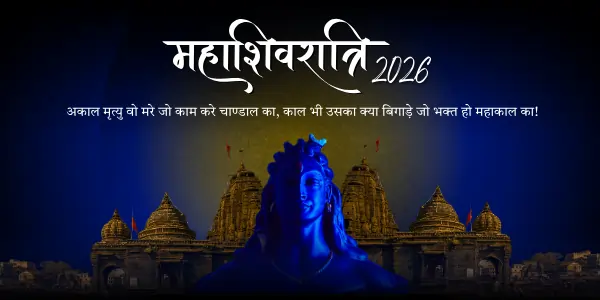
Maha Shivaratri 2026 will be observed on Sunday, February 15, 2026, based on the Chaturdashi tithi of Krishna Paksha in the Magha/Phalguna lunar month of the Hindu calendar. This sacred night dedicated to Lord Shiva is marked by fasting, night-long vigil (Jagran), and Shiva Abhishekam in homes and shiva temples across India and the world. The main legends connected to this hindu festival include Shiva’s marriage to Goddess Parvati, his cosmic dance (Tandava), and the Halahala poison story that gave him the name Neelkanth. Devotees can celebrate in 2026 by following proper puja timings, observing fasting rules, performing rituals at home or visiting temples, and traveling to major Shiva shrines with reliable transportation services. This guide covers food guidelines, dress code, maha shivaratri celebrations ideas, temple travel inspiration and travel options.
What is Maha Shivaratri Festival?
Maha Shivaratri stands as one of the most significant Hindu festivals, celebrated annually in February or March, focusing on meditation, austerity, and all-night worship of Lord Shiva. Unlike many Indian festivals that are outwardly joyous and colorful, this sacred festival is more inward-looking, centering on silence, self-discipline, and spiritual transformation.
The term “Maha Shivaratri” literally translates to “the Great Night of Shiva.” This sacred night carries profound spiritual symbolism, representing the overcoming of ignorance, inner darkness, and negative tendencies in life. The significance of mahashivratri extends beyond mere ritual observance—it invites devotees to turn their attention inward and seek liberation from worldly attachments.

Devotees participate in various ways throughout this night: visiting Shiva temples like the renowned Kashi Vishwanath in Varanasi or Somnath in Gujarat, performing Shiva Abhishekam with sacred offerings, chanting prayers such as “Om Namah Shivaya,” listening to Shiva bhajans, and remaining awake through the night in spiritual contemplation. The festival falls during a lunar month when cosmic energies are believed to be particularly conducive to spiritual practice, making every moment from evening until dawn especially relevant for worship.
Maha Shivaratri 2026 Date & Puja Timings
Maha Shivaratri in 2026 falls on Sunday, February 15, 2026, based on the Chaturdashi tithi of the Krishna Paksha in the Hindu lunar month. The Chaturdashi tithi begins at 5:04 PM on February 15 and concludes at 5:34 PM on February 16, creating the sacred window for observance.
The date is determined each year using the lunar calendar rather than the Gregorian calendar, which explains why the festival date changes annually. Depending on your settings of regional calendars—whether you follow the Magha or Phalguna month naming convention—the date remains consistent across India for Maha Shivaratri, though some minor variations may appear in local panchang timings.
The night is traditionally divided into four Prahars, each representing an auspicious window for Shiva Abhishekam:
The Nishita Kaal Puja, occurring between 12:09 AM and 1:01 AM on February 16, is considered the most spiritually powerful moment for Shiva worship. According to Hindu belief, this midnight period marks the moment when Lord Shiva manifested as the infinite Lingam. Devotees who wish to maximize their spiritual practice should prioritize this window, though worship during any Prahar carries merit.
Readers should confirm the exact local “Nishita Kaal Puja Muhurat” for their city through a reliable Panchang or by contacting their nearest temple office, as exact minutes vary slightly by geographic location.
Legends and Spiritual Significance
Maha Shivaratri draws its spiritual depth from several powerful legends associated with Lord Shiva, each offering unique insights into why this night holds such importance for millions of devotees across the world.
The Divine Marriage of Shiva and Parvati
One of the most beloved legends describes this night as the occasion when Lord Shiva married Goddess Parvati. This divine union symbolizes the convergence of Shiva (pure consciousness and energy) with Shakti (creative power and manifestation). The marriage represents not merely a celestial event but the coming together of knowledge and action, stillness and dynamism. Devotees celebrate by staying awake through the night, just as wedding guests would honor a sacred ceremony, understanding how our services to the divine mirror this cosmic union.
The Cosmic Dance of Tandava
Another significant legend speaks of Shiva performing the Tandava, his cosmic dance of creation, preservation, and dissolution. This rhythmic expression represents the continuous cycle of the universe—birth, death, and rebirth. The dance also symbolizes the destruction of ignorance and the triumph of wisdom. Classical dance traditions such as the Natyanjali festival held at temples like Chidambaram and Khajuraho honor this legend through dedicated dance offerings to Shiva during Shivaratri.
The Halahala Poison and Neelkanth
Perhaps the most dramatic legend involves the Samudra Manthan, the churning of the cosmic ocean by gods and demons seeking the nectar of immortality. When the deadly Halahala poison emerged and threatened to destroy all creation, Lord Shiva stepped forward to consume it, holding it in his throat to protect the universe. This act turned his throat blue, earning him the name Neelkanth (the blue-throated one). Devotees perform Abhishekam with cooling substances like milk and water to honor Shiva’s sacrifice, symbolically soothing his throat.
These legends connect directly to festival practices: fasting represents purification of mind and body, the night vigil represents staying spiritually “awake” while the world sleeps, and the ritual offerings honor Shiva’s eternal sacrifice for creation.
How to Observe Maha Shivaratri 2026 (Step-by-Step)
This section serves as a practical guide for devotees preparing for Maha Shivaratri 2026, whether you plan to visit a temple or observe from the comfort of your home. The rituals performed on this day follow centuries-old traditions while remaining accessible to modern practitioners.

Morning Preparation on February 15, 2026
Begin the day with an early bath, emphasizing physical and mental cleanliness as preparation for the sacred observance ahead. If observing at home, set up a small altar with a Shivling (or an image of Lord Shiva), ensuring the space is clean and undisturbed. Make a sankalpa—a personal vow or intention—declaring your commitment to the day’s fast and worship. This mental dedication sets the spiritual tone for the hours to come.
Temple Activities During the Day
Many devotees visit Shiva temples to participate in special poojas organized for the occasion. Temple worship typically includes Shiva Abhishekam performed with water, milk, honey, yogurt, and ghee. Sacred offerings such as bilva (bael) leaves, flowers, dhatura, incense sticks, and only fruits are presented to the deity. Temples often organize continuous chanting of Shiva mantras and provide spaces for meditation. If you’re new to temple worship, simply observe others and follow the congregation—temples are welcoming spaces for sincere seekers.
The Night-Long Vigil Structure
The night is divided into four Prahars, and devotees may choose to observe all four or participate in as many as their capacity allows. During each Prahar, perform a brief abhishekam if possible, recite “Om Namah Shivaya” or other Shiva mantras, and sit in quiet meditation. Between prahars, devotees often listen to discourses on Shiva’s glory, stories from the Shiva Purana, or recordings of Shiva bhajans to stay spiritually engaged.
Simple At-Home Observance
Those celebrating at home can read Shiva Purana stories aloud with family, listen to Shiva stotras through audio recordings, practice silent meditation focused on Shiva’s form, and ensure the household atmosphere remains calm and sattvic. Dim lighting, minimal conversation, and avoidance of entertainment screens help maintain the contemplative mood appropriate for this sacred night.
Fasting Rules and Food for Maha Shivaratri 2026
Fasting on Maha Shivaratri serves multiple purposes: it supports mental clarity, cultivates self-control, deepens devotion, and is believed to help cleanse accumulated karmas. The fast is not merely about abstaining from food but about creating conditions for spiritual receptivity.
Types of Fasts Observed
The Nirjala fast represents the most stringent approach—complete abstinence from food and water. This is recommended only for experienced devotees with good health and should not be attempted by beginners. The Phalahar fast allows fruits, milk, nuts, and light sattvic foods, making it accessible to most practitioners. Many choose simple abstinence, avoiding grains and heavy foods while keeping meals minimal throughout the day.
Foods Commonly Permitted
Devotees observing Phalahar typically consume fresh fruits, milk, yogurt, dry fruits, makhana (fox nuts), sabudana khichdi, preparations made from kuttu flour or singhare flour, and light milk-based sweets. These foods provide sustenance while maintaining the spirit of restraint.
Foods to Avoid
Traditional practice calls for avoiding grains, onion, garlic, spicy foods, fried items, alcohol, and any non-vegetarian items. These restrictions may vary slightly based on past activity within your family tradition or regional custom, so consult elders or your priest if uncertain.
Fasting Duration
The typical fasting period extends from sunrise on February 15, 2026, continuing through the night until the Parana time the following day. The Parana window—the auspicious period for breaking the fast—falls between 6:59 AM and 3:24 PM on February 16, 2026. Devotees should break their fast after completing morning rituals and ideally within this designated timeframe. Those with health limitations may break their fast after the conclusion of night puja rather than waiting until morning.
Dress Code, Mantras & Devotional Activities
External appearance and devotional practices work together to create a sacred atmosphere for Maha Shivaratri 2026. While inner devotion matters most, traditional guidelines help align body and mind with the spirit of the occasion.
Traditional Dress Guidelines
Simple, clean, and modest traditional clothing is preferred. Devotees traditionally wear white, saffron, or red-colored clothes, symbolizing purity and devotion. Colors such as white represent purity, saffron indicates renunciation, and blue honors Shiva as Neelkanth. Many devotees prefer cotton or silk attire for comfort and tradition. Wearing rudraksha malas is a sign of spiritual discipline during Maha Shivaratri, and devotees often apply vibhuti (sacred ash) on the forehead as signs of their devotion to Shiva.
Key Mantras for the Night
The most commonly chanted mantra is “Om Namah Shivaya,” the five-syllable mantra that salutes Lord Shiva and invokes his blessings. The Maha Mrityunjaya Mantra is recited for health, healing, and protection from untimely death—particularly meaningful given Shiva’s role as conqueror of death. Devotees may also recite the Shiva Panchakshari Stotra and other verses from the videos you watch or audio recordings of traditional recitations. On Maha Shivaratri, people greet each other with 'Har Har Mahadev!' and 'Om Namah Shivaya.' Messages like 'May Lord Shiva bless you with peace and prosperity this Maha Shivaratri!' are commonly shared, and devotees often exchange beautiful wishes to express their devotion and seek blessings from Lord Shiva.
Devotional Activities Throughout the Night
Group bhajans and kirtan at temples or homes create collective spiritual energy. Reading or listening to Shiva-related scriptures keeps the mind engaged with sacred themes. For those who prefer quieter practice, silent japa using a mala allows deep inward focus. Temples often organize cultural programs and discourses that help devotees understand how our services of worship connect us to the divine.
Maha Shivaratri 2026 Celebrations Across India & Travel Ideas
Maha Shivaratri 2026 will be celebrated annually in grand style at famous Shiva temples across India, each location offering unique regional customs while sharing the same core devotion to Lord Shiva.
Major Temples Known for Shivaratri Celebrations
Kashi Vishwanath in Varanasi draws millions of pilgrims who believe bathing in the Ganga and worshipping at this ancient temple during Shivaratri grants immense spiritual merit. Somnath in Gujarat, one of the twelve Jyotirlingas, hosts elaborate celebrations including special poojas from morning until dawn. Mahakaleshwar in Ujjain is renowned for its Bhasma Aarti, which becomes even more significant during the festival.
Kedarnath and other Himalayan Shiva shrines present weather-dependent accessibility challenges in February, though lower-altitude temples in Uttarakhand remain accessible and spiritually powerful destinations. Devotees interested in exploring important Shiva temples in Uttarakhand can find inspiration and route ideas for planning their pilgrimage.

Planning Your Spiritual Travel
Pilgrims typically travel by train, bus, or flights to nearby transportation hubs, then arrange local taxis or cabs to reach remote temple towns. Hill shrines especially require reliable ground transportation, as public transport options become limited. Services like Hurry Up Cabs can help with dependable cab connectivity between cities and key pilgrimage centers, particularly useful when devotees visit multiple temples in a single trip.
Global Celebrations
Maha shivaratri celebrations extend beyond India to Nepal, Sri Lanka, Mauritius, Fiji, and other countries with significant Hindu communities. Local temples in these regions organize all-night pujas and cultural programs, ensuring devotees worldwide can participate in this sacred festival regardless of their location.
Maha Shivaratri 2026 at Home: Simple Celebration Ideas
Not everyone can travel to a major temple or jyotirlinga, but Maha Shivaratri 2026 can be celebrated meaningfully from home with sincere devotion and simple preparations.
Creating a Sacred Space
Designate a clean corner of your home as a sacred space. Place a Shivling or Shiva image on a clean cloth, add a diya (oil lamp), incense sticks, and fresh flowers. Keep this space undisturbed and calm throughout the day and night. The goal is to create an environment that supports inward focus and devotion.
Simple Home Puja Routine
Perform Abhishekam of the Shivling with water and milk in the evening, at midnight, and again before dawn if you’re observing the full night vigil. Offer bilva leaves—even a single leaf offered with devotion carries meaning. Light a lamp in the evening as the sun sets and again during the Nishita Kaal midnight period. Recite mantras according to your capacity, whether that means 108 repetitions or simply a few minutes of sincere chanting prayers.
Family-Friendly Activities
Tell children age appropriate if relevant stories of Shiva—his compassion, his protection of the universe, his role as the lord of meditation. Play gentle bhajans in the background rather than entertainment programs. Conduct short guided meditations where family members close their eyes and visualize Shiva’s peaceful form. Minimize screens and entertainment for at least the evening hours to maintain the sanctity of the occasion.
Those who cannot fast strictly due to health concerns can still observe the spirit of the festival by choosing light, pure food, practicing truthfulness and kindness throughout the day, and dedicating time to spiritual reflection rather than worldly activities.
Continuing the Celebration After Maha Shivaratri
Maha Shivaratri celebrations need not end with the sacred night itself. For many devotees, the festival serves as a powerful starting point for a year-round journey of devotion and spiritual practice. Continuing to honor Lord Shiva can be as simple as making regular visits to shiva temples, where special poojas and chanting prayers are often held throughout the year. These ongoing rituals help maintain the spiritual momentum gained during Maha Shivaratri and keep the connection with the divine strong.
By embracing both traditional practices and modern technology, devotees can keep the spirit of Maha Shivaratri alive every day, deepening their devotion and staying connected with the global community of Shiva worshippers.
Spiritual Growth and Reflection During Maha Shivaratri
Maha Shivaratri is not just a festival—it is a profound opportunity for spiritual growth and self-reflection. As devotees gather in shiva temples or celebrate at home, the focus shifts inward, encouraging a deeper connection with Lord Shiva through chanting prayers, meditation, and mindful rituals. This sacred festival, which falls on the 14th night of the lunar month of Phalguna, invites everyone to pause, reflect on their actions, and seek forgiveness for past mistakes.
Lighting incense sticks, offering flowers, and reciting mantras are traditional ways to honor Lord Shiva and create a peaceful, contemplative atmosphere.
As you reflect during Maha Shivaratri celebrations, remember that spiritual growth is a continuous process. Whether you are participating in rituals at a temple, meditating at home, or exploring new spiritual content online, every action brings you closer to the essence of Lord Shiva. Embrace the opportunities for reflection and growth that this sacred night offers, and let the spirit of Maha Shivaratri guide you throughout the year.

Explore India
We provide insights and tips for unforgettable journeys. Click to explore destinations, attractions, and travel stories across India.
Scuba Diving Places in India
Best Seasons to Travel in India
What is Famous in India?
Airport Lounges in India
Weekend Getaways in India
Cycling in India
Beaches in India
UNESCO Heritage Sites
Wedding Destinations
Trekking Places in India
Best Places to Live in India
Flight Travel & Guides
Amusement Parks in India
Popular Waterfalls in India
List of Cities in India
Leave a Comment