

At 3,680 metres above sea level, Tungnath Mahadev temple sits higher than any other Shiva shrine in the world. That fact alone draws lakhs of visitors every year — pilgrims seeking darshan, trekkers chasing Himalayan views, and travellers who simply want to stand somewhere that feels genuinely otherworldly. But before any of that can happen, you need to actually get there.
The journey to Tungnath is not complicated, but it does have a few moving parts — a long road drive, a small mountain town called Chopta, and finally a 4-kilometre trek up through rhododendron forests to the ancient stone temple at the top. This guide breaks all of it down clearly, so whether you are planning a weekend trip from Rishikesh or travelling from Delhi, you know exactly what to do and when. If you are looking for a reliable cab from Rishikesh to Chopta or need a taxi service for your Uttarakhand trip, HurryUp Cabs covers all the major routes straight to the base of the Tungnath trek.
Before getting into routes and distances, it helps to understand why this temple draws the kind of devotion it does.
Tungnath is part of the Panch Kedar — five sacred Shiva temples in the Garhwal Himalayas, each believed to be the site where a different part of Lord Shiva appeared after the Mahabharata war. The story goes that after the Kurukshetra battle, the Pandavas sought forgiveness from Mahadev for the sin of killing their kin. Shiva, unwilling to face them, took the form of a bull and disappeared into the earth at multiple points across the mountains. At Tungnath, it is believed that his arms (bahu) surfaced. The Pandavas are credited with building the original temple, and the current stone structure — built in the classic Nagara style with a tall curved shikhara and a small dark sanctum housing a naturally formed Shiva lingam — is believed to have been renovated by Adi Shankaracharya around the 8th century.
About Tungnath temple: It sits on the Chandranath Parvat range in Rudraprayag district, Uttarakhand, inside the Kedarnath Wildlife Sanctuary. The temple is surrounded by smaller shrines dedicated to Goddess Parvati, the Pandavas, and the other Panch Kedars. Outside the main sanctum, a stone Nandi faces the lingam — the same faithful guardian bull you will find at every major Shiva temple.
One question that comes up often: Is Tungnath a jyotirlinga? No, it is not. Tungnath is one of the Panch Kedar shrines, which is a separate category of sacred Shiva temples specific to the Garhwal Himalayas. The twelve jyotirlingas are located at different sites across India. Tungnath Dham holds its own distinct spiritual significance as the highest Shiva temple in the world — that is not a small claim.
Tungnath height in detail: The temple complex stands at approximately 3,680 metres (12,073 feet). If you continue the trek past the temple to Chandrashila peak, you reach 4,000 metres (around 13,123 feet).
The route to Tungnath breaks into three stages: getting to Rishikesh (or Haridwar), driving from Rishikesh to Chopta, and then trekking from Chopta to the temple. Here is each one in detail.
Rishikesh is the main gateway for most people heading to Tungnath from Rishikesh. It is well connected by road, rail, and air, making it the logical starting point for your Uttarakhand journey.
From Delhi: Delhi is the most common starting point for Tungnath travellers. The distance from Delhi to Rishikesh is around 240-260 km and takes roughly 5-6 hours by road. You can take an overnight Volvo bus from ISBT Kashmiri Gate, book a train (the Mussoorie Express or Dehradun Express are popular), or hire a direct cab from Delhi to Rishikesh if you want a comfortable, door-to-door journey without the bus terminal hassle. HurryUp Cabs runs Delhi to Rishikesh cab services, which is a good option if you are travelling with family or have luggage.
From Lucknow: Lucknow to Rishikesh is approximately 570-600 km and takes around 10-12 hours by road. Several trains connect Lucknow to Haridwar or Rishikesh, including the Lucknow Mail and Shatabdi options via Haridwar. If you prefer to drive, booking a cab from Lucknow to Rishikesh and continuing straight to Chopta the next morning is a clean two-day plan.
From Dehradun: Dehradun is just 75 km from Rishikesh, roughly 1.5-2 hours by road. If you are flying into Jolly Grant Airport, Dehradun, Rishikesh is only 21 km from the airport — about 40-45 minutes. A cab from Dehradun to Rishikesh taxi or the Dehradun airport to Rishikesh is the most straightforward option here, and HurryUp Cabs covers this route as well.
From Haridwar: Haridwar is just 25-30 km from Rishikesh, and many trains terminate here rather than at Rishikesh station. From Haridwar, you can reach Rishikesh in 45 minutes by shared cab, local bus, or auto. Alternatively, some travellers skip Rishikesh entirely and drive directly from Haridwar to Chopta — the route merges near Devprayag.
From other cities: If you are coming from Mumbai, Bangalore, Jaipur, or Hyderabad, the most practical option is flying into Jolly Grant Airport (Dehradun) and booking a cab from there, or taking an overnight train to Haridwar and then connecting to Rishikesh by road.
This is the longest and most scenic part of the trip. The distance from Rishikesh to Chopta is approximately 200-210 km, and depending on road conditions and stops, it takes around 7-9 hours.
The route goes: Rishikesh → Devprayag → Rudraprayag → Agastyamuni → Ukhimath → Chopta
A few things worth knowing about this drive:
Devprayag is where the Bhagirathi and Alaknanda rivers meet to form the Ganga — it is worth a quick stop.
After Rudraprayag, the road follows the Mandakini river valley all the way to Ukhimath.
From Ukhimath, it is about 30 km to Chopta on a winding mountain road.
The last stretch from Ukhimath to Chopta is particularly narrow and steep — it is the section where an experienced mountain driver makes a real difference.
For most travellers, the most convenient option is booking a direct cab from Rishikesh to Chopta. Shared jeeps and buses do operate, but they require multiple changes — Rishikesh to Rudraprayag, then Rudraprayag to Ukhimath, then a local shared taxi to Chopta. A private cab is faster, more comfortable, and lets you stop at viewpoints along the way without rushing. If you need a reliable Rishikesh to Chopta taxi service, HurryUp Cabs operates this route with experienced drivers who know the mountain roads well.
Alternative via Srinagar (Garhwal): Some travellers take the route via Srinagar (Garhwal) → Rudraprayag → Kund → Dugalbitta → Chopta. This is roughly the same distance and takes similar time but gives you different scenery.
Chopta sits at about 2,900 metres and is often called the "Mini Switzerland of India" — a small hamlet surrounded by open meadows (bugyals) and dense forests of oak, rhododendron, and cedar. From here, the trek to Tungnath temple begins.
Trek details:
Distance: 4 km one way (3.5-4 km depending on the exact start point)
Altitude gain: ~780 metres (Chopta at ~2,900 m to temple at ~3,680 m)
Time: 2.5-4 hours one way
Terrain: Stone-paved path throughout, well-marked
Difficulty: Easy to moderate — the paved trail makes it accessible, but the altitude and consistent uphill gradient will slow you down if you are not used to mountain walking
The path winds through rhododendron forests that turn completely red during late March to May, then through open alpine meadows with increasingly wide views of the Garhwal peaks. Small tea stalls and dhabas are set up along the trail, so Maggi and chai are available at intervals. The final approach to the temple is steep, and the view that opens up at the summit — the stone shikhara against a backdrop of snow peaks — is worth every step of the climb.
Trekking tips:
Start early. If you are coming from Rishikesh on day one and planning to trek on day two, start the trek by 6-7 AM at the latest.
Carry at least 2 litres of water. Refill at natural springs if you have a filter bottle.
Acclimatise by spending the first night in Chopta before attempting the trek. The altitude at the temple is high enough to cause mild headaches if you rush.
In winter months (December-March), the trail has heavy snow. Trekking is still possible but requires microspikes and warm layering.
For travellers coming directly from Delhi, the total road distance to Chopta is approximately 450-460 km. Here is the standard route:
Delhi → Haridwar/Rishikesh → Devprayag → Srinagar (Garhwal) → Rudraprayag → Ukhimath → Chopta
This is ideally done as an overnight journey or an early morning start. Most people take an overnight bus or train to Rishikesh, stay there one night, and then do the Rishikesh-to-Chopta drive the next morning. Alternatively, if you book a private cab, you can drive straight through Delhi → Chopta in one long day (12-14 hours) — not recommended unless you are a strong road traveller who does not mind the mountain section at night.
Most first-time visitors to Tungnath do not know that the trek does not have to end at the temple. Continue another 1.5 km uphill from Tungnath Mahadev temple and you reach Chandrashila peak at 4,000 metres. The name translates to "Moon Rock," and legend holds that Lord Rama meditated here after defeating Ravana.
The Chandrashila Tungnath combination is what makes this trek genuinely exceptional among Himalayan treks. From the Chandrashila summit, you get a 360-degree view of some of the highest peaks in the Garhwal Himalayas — Nanda Devi, Trishul, Kedar Dome, Bandarpunch, and the Chaukhamba range. On a clear day, especially in September and October, the panorama is unobstructed in all directions.
The Tungnath Chandrashila trek as a complete circuit — Chopta to temple to Chandrashila and back — covers roughly 11 km and takes 5-7 hours. It is doable in a single day if you start early. If you attempt it, keep about 1-1.5 hours at the summit to absorb the views and have some tea before heading back down.
Tungnath is a seasonal temple. It remains closed for roughly six months every year due to heavy snowfall and extreme cold. The idol is moved to Makkumath village (the winter seat) during the closure, where darshan continues through the winter months.
For 2026:
Opening date: Expected around May 2, 2026 (around Vaishakh Panchami). The exact date is announced on Maha Shivratri by the temple committee.
Closing date: Expected in the first week of November 2026, around Bhai Dooj or Kartik Purnima.
Daily darshan timings (during open season):
Morning: 7:00 AM – 12:00 PM
Afternoon break: 12:00 PM – 3:00 PM (closed)
Evening: 3:00 PM – 7:00 PM
Evening aarti: Around 6:30 PM (highly recommended — the sound of bells echoing in the Himalayan silence at dusk is something else)
Different months offer very different experiences at Tungnath, so the "best" time depends on what you are looking for.
May to early June — Flowers and Pleasant Weather This is when Tungnath temple has just reopened. The meadows and trail are covered with blooming red and pink rhododendrons, temperatures during the day are comfortable (10°C-20°C), and it is an ideal time for families and first-time trekkers. The sky is generally clear in May.
Tungnath in June is a popular search — and for good reason. Early June (up to around the 10th-15th) is still excellent: manageable weather, open trails, and fewer crowds than the peak May rush. After mid-June, pre-monsoon moisture starts rolling in, and by late June, the monsoon begins to affect visibility and trail conditions.
Tungnath trek in June — what to expect: June is doable, especially the first two weeks. You get the green meadows, moderate temperatures, and the trail remains in good condition. Carry a rain poncho even in early June — afternoon showers can appear without much warning.
July and August — Monsoon. Avoid if possible The trail gets slippery, the road from Rishikesh to Chopta sees occasional landslides, and the peak views are mostly hidden in cloud. Not the right time to go unless you specifically enjoy monsoon trekking.
September to October — Best for Views This is arguably the finest time for the Tungnath Chandrashila trek. The monsoon has cleared, the air is crisp, and the mountain views are at their sharpest. Temperatures are cooler (5°C-15°C during the day), the trail is dry, and the crowds are thinner than in May-June.
Late October — Just Before Closing Very cold, very quiet, intense spiritual atmosphere. If you want Tungnath almost to yourself, this is the window. Nights in Chopta can drop to near freezing.
Once you are in the Chopta region, there are several places worth including in your Tungnath trip beyond the temple itself.
Chandrashila Peak — already covered above. If you are doing the Tungnath trekking, this is a non-negotiable extension.
Deoria Tal — a beautiful high-altitude lake about 25-30 km from Chopta, near Sari village. The lake is famous for its mirror-like reflections of the Chaukhamba peaks on a clear morning. The trek from Sari village to Deoria Tal is 3 km and takes about 1.5 hours. Many travellers combine Tungnath and Deoria Tal in a 2-night/3-day itinerary.
Ukhimath — the town where the winter idols of Kedarnath and Tungnath are kept during the off-season. If you are visiting between November and April, Ukhimath is where you come for darshan.
Rudraprayag Confluence — on your way up or down, the meeting point of the Mandakini and Alaknanda rivers at Rudraprayag is a serene and spiritually significant stop. The Rudraprayag temple complex here is worth a short visit.
Kanchula Korak Musk Deer Sanctuary — a wildlife sanctuary near Chopta, home to the rare Himalayan musk deer. If you are interested in wildlife, it is accessible as a short side trip.
Kartik Swami Temple — roughly 40 km from Chopta near Kanakchauri village. A lesser-known temple dedicated to Kartikeya (son of Shiva), perched on a hilltop with excellent views. Worth including if you have an extra day.
The stone-paved trail makes Tungnath trekking more accessible than most Himalayan routes, but the altitude demands that you dress and carry your gear sensibly.
Clothing (the layering rule): A moisture-wicking base layer, an insulating mid-layer (fleece or light down jacket), and a windproof/waterproof outer shell. Even in May and June, temperatures at the temple drop sharply when clouds move in. Do not underestimate the cold.
Footwear: High-ankle trekking shoes with good grip. The stone path is stable in dry conditions but can get slippery if wet. Avoid sneakers and flat-soled shoes.
Essentials: 2-litre water capacity minimum, energy snacks, sunscreen (SPF 40+), sunglasses, a warm cap and gloves, a basic first aid kit, and your ID card.
For winter treks (December to March): Microspikes/crampons are essential. The stone steps are covered with packed snow and ice and are genuinely dangerous without grip. A trekking pole also reduces strain significantly on the descent.
Cash: There are no ATMs in Chopta. The last reliable ATMs are in Ukhimath (30 km before Chopta) and Rudraprayag. Carry enough cash for two days — accommodation, food, and any porter or mule hire.
Tungnath Mahadev temple is one of the most rewarding destinations in the Garhwal Himalayas — whether you are there for the spiritual weight of the Panch Kedar pilgrimage, the physical satisfaction of the trek, or the sheer visual drama of Chandrashila peak with the Himalayan horizon stretched out in every direction. The journey is long but well-structured. Get to Rishikesh, make the drive to Chopta, spend a night to settle in, and start the trek early the next morning.
The road from Rishikesh through Devprayag, Rudraprayag, and Ukhimath to Chopta is beautiful but demands an experienced driver — narrow in stretches, unpredictable after rain, and winding for most of the final 30 km. If you want the drive to be the easy part so you can save your energy for the mountains, HurryUp Cabs offers reliable cab services from Rishikesh to Chopta and covers other Uttarakhand routes as well. Book your ride, carry the right gear, and let the mountains do the rest.

 Coimbatore to Bangalore Distance by Car, Bus & Train – Complete Guide
July 21, 2026
Coimbatore to Bangalore Distance by Car, Bus & Train – Complete Guide
July 21, 2026
 Bangalore to Tirupati Distance: Complete Road Trip Guide
July 15, 2026
Bangalore to Tirupati Distance: Complete Road Trip Guide
July 15, 2026
 Pune to Bhimashankar Distance, Route, How to Reach & Travel Guide
July 07, 2026
Pune to Bhimashankar Distance, Route, How to Reach & Travel Guide
July 07, 2026
 Hyderabad to Tirupati Distance: Route Guide, Travel Time & Best Way to Travel
June 27, 2026
Hyderabad to Tirupati Distance: Route Guide, Travel Time & Best Way to Travel
June 27, 2026
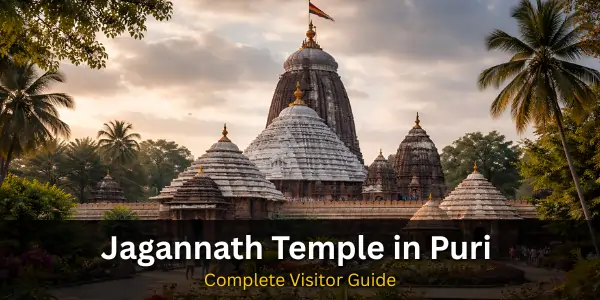 Jagannath Temple in Puri: Complete Visitor Guide — Darshan Timings, Entry Rules & Tips (2026)
June 16, 2026
Jagannath Temple in Puri: Complete Visitor Guide — Darshan Timings, Entry Rules & Tips (2026)
June 16, 2026
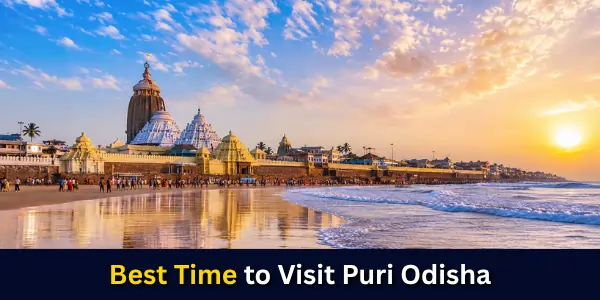 Best Time to Visit Puri Odisha: Month-by-Month Guide for Every Traveller
June 11, 2026
Best Time to Visit Puri Odisha: Month-by-Month Guide for Every Traveller
June 11, 2026
 Kolkata to Digha Distance: Complete Road Trip & Travel Guide
May 29, 2026
Kolkata to Digha Distance: Complete Road Trip & Travel Guide
May 29, 2026
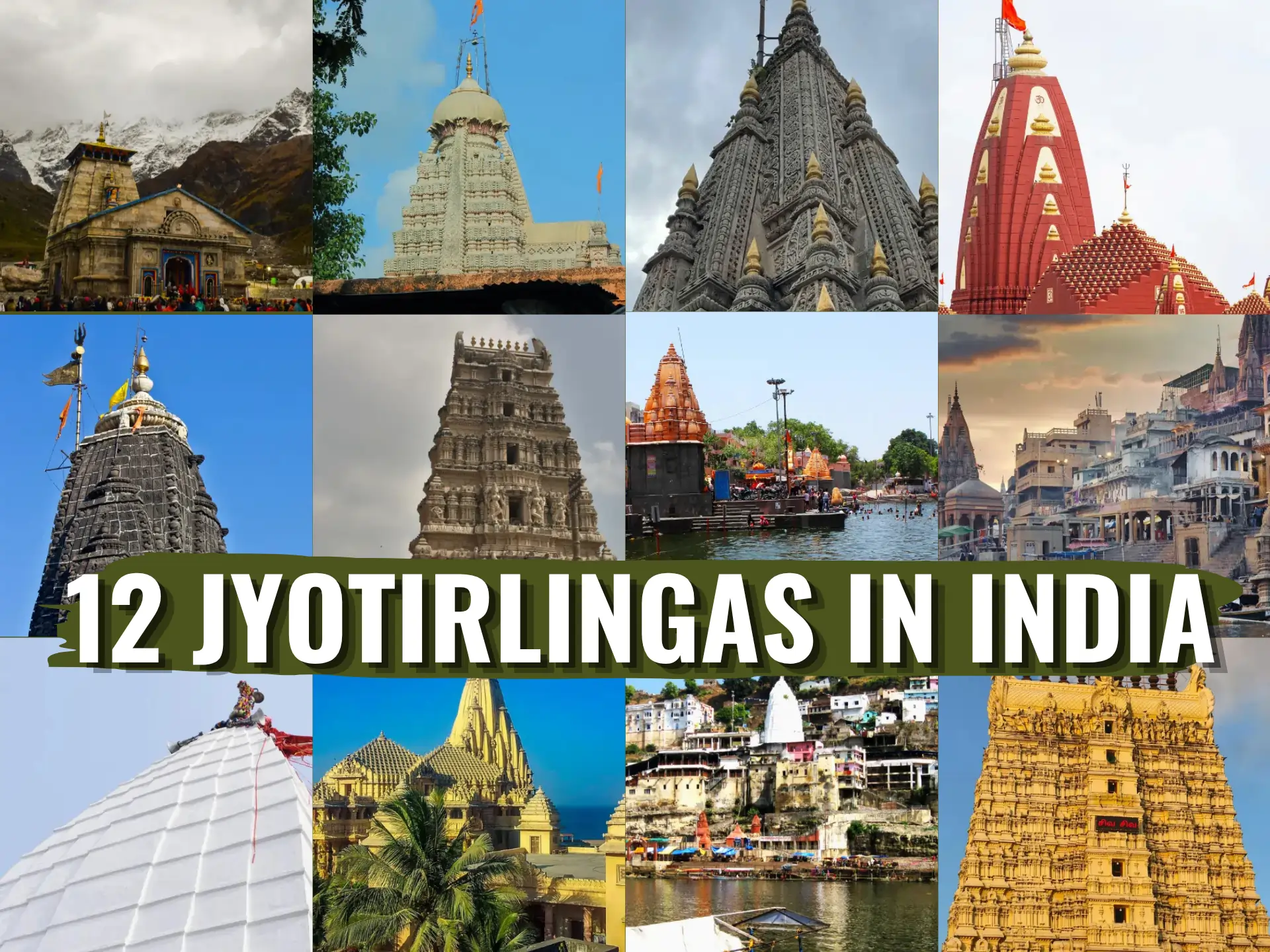 12 Jyotirlingas in India: Complete Guide to Locations, Significance & How to Reach Them
May 22, 2026
12 Jyotirlingas in India: Complete Guide to Locations, Significance & How to Reach Them
May 22, 2026
 Best Places to Visit in July in South India
May 11, 2026
Best Places to Visit in July in South India
May 11, 2026
 Jagannath Rath Yatra 2026: Dates, Rituals, Travel Guide & How to Reach Puri
May 02, 2026
Jagannath Rath Yatra 2026: Dates, Rituals, Travel Guide & How to Reach Puri
May 02, 2026

0 Comments
No comments yet. Be the first to share your thoughts!
Leave a Comment