24×7 Cab Booking

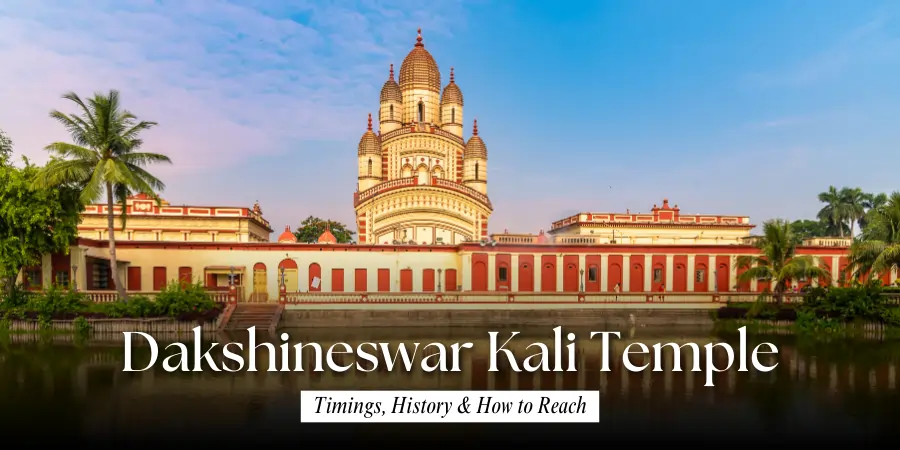
Dakshineswar Kali Temple is one of the most sacred and visited religious sites in India, drawing lakhs of devotees and curious travellers to the banks of the Hooghly River in Kolkata every year. Whether you are planning a spiritual visit, a heritage tour, or simply wish to experience the soul of Bengal's devotional culture, this complete guide covers everything you need to know — from the temple's rich history and opening timings to practical travel tips for reaching Dakshineswar Mandir with ease.
Nestled on the eastern bank of the Hooghly River, about 20 kilometres north of central Kolkata, the Dakshineswar Kali Temple stands as one of the most celebrated Shakti shrines in the country. Dedicated to Goddess Bhavatarini — a form of Kali revered here as the "Saviour of the Universe" — the temple is not just a place of worship but a living testament to Bengal's spiritual and cultural legacy.
What makes the Dakshineswar Mandir truly special is its inseparable connection to Sri Ramakrishna Paramahamsa, the 19th-century mystic who served as a priest here and attained spiritual enlightenment within these sacred walls. His disciple, Swami Vivekananda, also visited frequently, making this temple a cornerstone of the Ramakrishna Mission's spiritual geography. For millions of devotees across India and the world, a visit to Dakshineswar is not merely a pilgrimage — it is an encounter with the divine.

The history of Dakshineswar Kali Temple begins with a remarkable woman of vision and devotion — Rani Rashmoni, a philanthropist and zamindar of Bengal. The story goes that in 1847, Rani Rashmoni was preparing to embark on a pilgrimage to Kashi (Varanasi) to seek the blessings of Goddess Kali. The night before her departure, however, she had a divine dream in which the Goddess appeared and instructed her not to travel to Kashi. Instead, the Goddess told Rani to install her idol on the banks of the Ganga in Bengal itself and arrange for her worship there, promising to manifest her presence in that very image.
Moved deeply by this vision, Rani Rashmoni purchased a large tract of land in Dakshineswar and commenced construction of the temple. The project took nearly eight years to complete. The temple was finally consecrated in 1855, with the idol of Goddess Bhavatarini installed with full ceremonial honours. Sri Ramakrishna's uncle, Ramkumar Chattopadhyay, was appointed as the head priest, and Ramakrishna himself joined shortly after — eventually becoming the temple's most celebrated priest and saint.
The Dakshineswar Kali Temple history is thus woven from three powerful threads: the devotion of Rani Rashmoni, the mystical life of Sri Ramakrishna, and the enduring faith of millions of devotees who have made this temple a spiritual anchor across generations.
The Dakshineswar Mandir is a magnificent example of the Navaratna (Nine-spired) style of Bengali temple architecture. The main shrine rises over 30 metres, sitting on a high platform with a sweeping staircase that leads devotees into the inner sanctum. Inside, the presiding deity — Goddess Bhavatarini — stands on the chest of a reclining Lord Shiva, atop a gleaming silver lotus with a thousand petals. The idol is adorned with gold jewellery and is a breathtaking sight for first-time visitors.
The temple complex spans roughly 25 acres and includes several other structures of religious and aesthetic importance:
The riverside setting adds an ethereal quality to the entire complex — particularly during the evening aarti, when the lamps lit along the ghats reflect on the Hooghly's waters.
One of the most frequently searched questions by visitors is about Dakshineswar Kali Temple timings. The temple follows two distinct schedule windows each day and has slightly different hours across seasons.
Winter Season (October to March):
Summer Season (April to September):
The temple closes for a few hours in the afternoon, which is the customary rest period observed at many major Hindu temples. The best time to visit Dakshineswar Kali Temple is either early morning — when the atmosphere is tranquil and the morning aarti takes place — or during the evening, when the Sandhya aarti and the glow of lamps create a particularly moving experience.
On major festivals such as Kali Puja, Durga Puja, and Diwali, the temple remains open for extended hours and draws exceptionally large crowds. Planning a weekday visit is advisable for those who prefer a calmer darshan experience.
A common question among first-time visitors is whether there is an entry ticket for Dakshineswar Kali Temple. The answer is straightforward — entry to the temple is free of charge. There is no ticket required for darshan of Goddess Bhavatarini.
However, there are a few things to keep in mind:
The Dakshineswar Kali Temple is located at Dakshineswar, Kolkata, West Bengal 700076, on the eastern bank of the Hooghly River in the Dakshineswar neighbourhood, which lies in the northern part of Greater Kolkata.
It is approximately:
The nearest prominent landmark is Belur Math — the global headquarters of the Ramakrishna Mission — which lies just across the Hooghly River and can be reached by a short ferry ride from the Dakshineswar ghat.
Getting to the Dakshineswar Kali Temple from Kolkata or other major points in the city is reasonably straightforward, with multiple transport options available.
The most convenient way to reach the temple is by Kolkata Metro. The Dakshineswar Metro Station on Line 1 (the North-South corridor) is directly adjacent to the temple complex, making it one of the easiest last-mile connections of any major temple in India. Trains run frequently and the fare from central Kolkata (Esplanade or Park Street) is minimal.
Several state and private bus routes ply between central Kolkata and Dakshineswar. Buses from Howrah, Esplanade, and Shyambazar have stops near the temple. However, Kolkata's traffic can make bus travel time-consuming during peak hours.
A scenic and peaceful way to visit is by taking a passenger ferry (launch) from Belur Math or Baghbazar Ghat. The Hooghly River crossing takes only a few minutes and offers a memorable view of the temple from the water.
Dakshineswar also has a suburban railway station on the Circular Railway line. Local trains from Kolkata connect to Dakshineswar station, from where the temple is a short auto-rickshaw or walking distance away.
If you are travelling from Howrah to Dakshineswar Kali Temple, the most straightforward route is via the Vivekananda Road / BT Road corridor, covering about 13 to 19 km depending on the route taken. Auto-rickshaws and shared cabs from Howrah are available, though traffic can be heavy. The total travel time from Howrah is typically 45 minutes to 1 hour by road.
For devotees travelling in groups, families, senior citizens, or anyone who simply values comfort and convenience, booking a cab in Kolkata is by far the easiest way to visit Dakshineswar. You can be dropped directly at the temple entrance, eliminating the need to navigate multiple transit changes, especially helpful if you are visiting other Kolkata landmarks like Victoria Memorial, Belur Math, or Kalighat on the same day.
HurryUp Cabs offers reliable cab services across Kolkata and surrounding areas, making your Dakshineswar visit seamless — whether you are travelling from central Kolkata, Howrah, the airport, or any other part of the city. With comfortable vehicles, professional drivers, and door-to-door service, HurryUp Cabs ensures that you can focus on your pilgrimage rather than the logistics of getting there.
The Dakshineswar Kali Temple is a major pilgrimage centre not only for residents of Kolkata but for devotees across Bengal, India, and even the global Indian diaspora. The presiding deity, Goddess Bhavatarini, is approached with reverence as a protective and liberating mother, and darshan here is believed to bestow blessings, dissolve obstacles, and bring peace to the devotee's life.
The temple calendar is marked by several significant festivals:
The Dakshineswar Kali Temple photos that circulate widely online barely capture the true scale and atmosphere of the complex in person. Visitors consistently describe the sight of the nine spires reflected in the Hooghly at dusk as one of the most visually stunning experiences in Kolkata.
Some of the most photographed elements within the complex include:
Photography of the Goddess idol inside the main sanctum is typically not permitted, but the external complex, ghats, and secondary shrines offer ample opportunity for evocative photographs.
If you are planning a day trip to Dakshineswar from central Kolkata or Howrah, you can combine your visit with these nearby places of interest:
Belur Math — Located directly across the Hooghly River, Belur Math is the international headquarters of the Ramakrishna Mission and another deeply significant spiritual site. The architecture here was deliberately designed by Swami Vivekananda to blend elements of Hindu, Islamic, and Christian styles as a symbol of unity. A short ferry ride from Dakshineswar ghat connects the two.
Adyapeath Temple — A sprawling temple complex a few kilometres from Dakshineswar, also dedicated to Goddess Kali, and known for its large, serene grounds.
Baranagar and Shyambazar — These heritage-rich Kolkata neighbourhoods are nearby and worth exploring for their historical architecture and street food culture.
The Dakshineswar Kali Temple is far more than a religious monument — it is a living, breathing centre of faith, heritage, and community that has anchored Kolkata's spiritual identity for over 170 years. Whether you come as a devotee seeking the blessings of Goddess Kali, a history enthusiast tracing the footsteps of Sri Ramakrishna, or a traveller drawn to Bengal's architectural splendour, Dakshineswar promises an experience that stays with you long after you leave.
Planning your visit well — including your travel arrangements — makes all the difference. If you want to make your journey to the Dakshineswar Mandir truly hassle-free, HurryUp Cabs is your trusted travel partner in Kolkata. From comfortable rides from Howrah, the airport, or anywhere in the city to the temple gates, HurryUp Cabs ensures you arrive relaxed and ready to absorb the spiritual atmosphere. Book your cab and let the divine journey begin.
For more travel guides, pilgrimage tips, and cab booking across West Bengal, visit hurryupcabs.com.

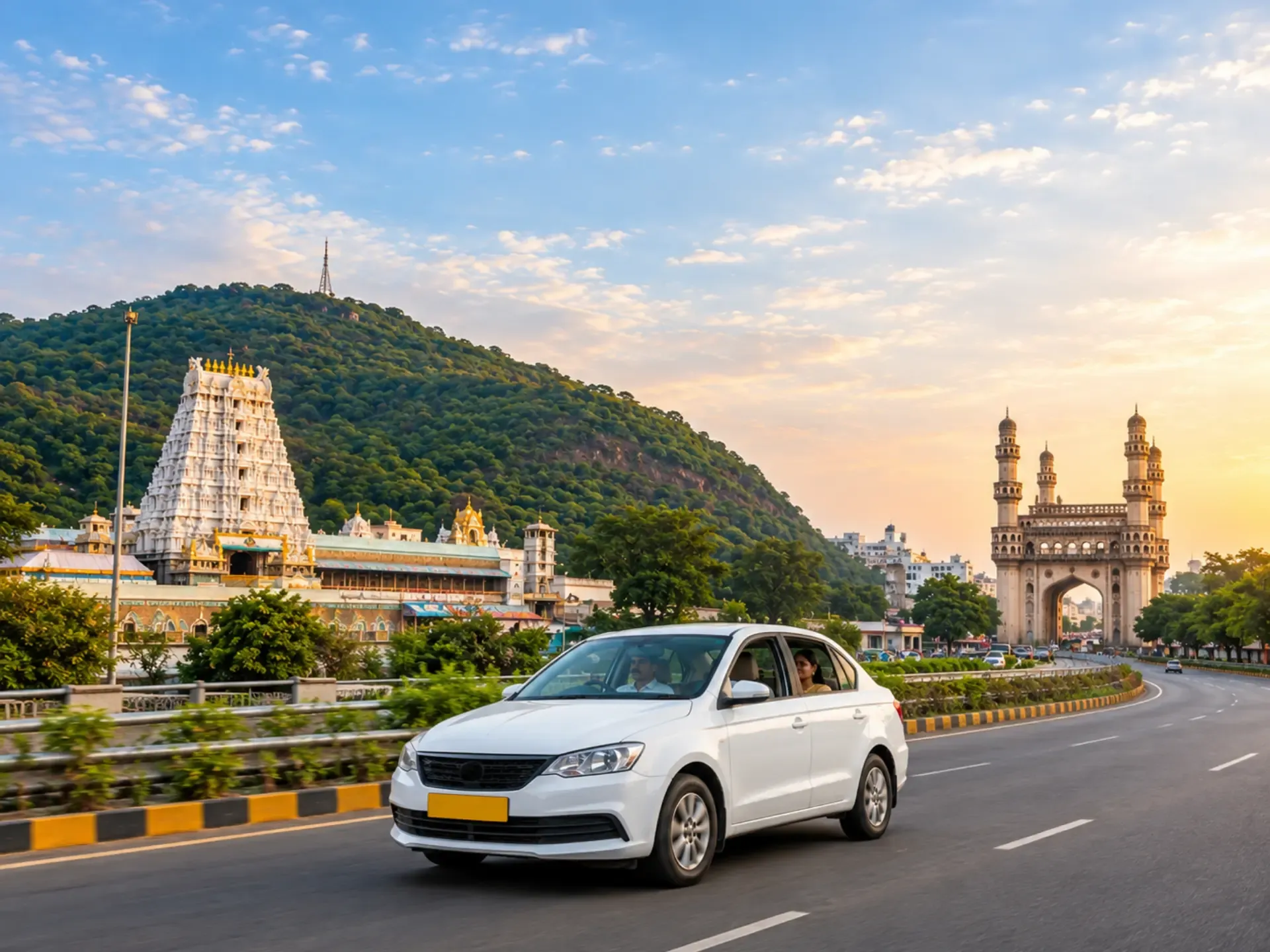 Tirupati to Hyderabad Distance: Travel Time, Routes & Best Way to Travel
September 17, 2026
Tirupati to Hyderabad Distance: Travel Time, Routes & Best Way to Travel
September 17, 2026
 Pune to Aurangabad Distance: Complete Travel Guide & Route Info
September 05, 2026
Pune to Aurangabad Distance: Complete Travel Guide & Route Info
September 05, 2026
 Tirupati to Bangalore Distance: Route & Travel Guide
August 29, 2026
Tirupati to Bangalore Distance: Route & Travel Guide
August 29, 2026
 Coimbatore to Bangalore Distance by Car, Bus & Train – Complete Guide
July 21, 2026
Coimbatore to Bangalore Distance by Car, Bus & Train – Complete Guide
July 21, 2026
 Bangalore to Tirupati Distance: Complete Road Trip Guide
July 15, 2026
Bangalore to Tirupati Distance: Complete Road Trip Guide
July 15, 2026
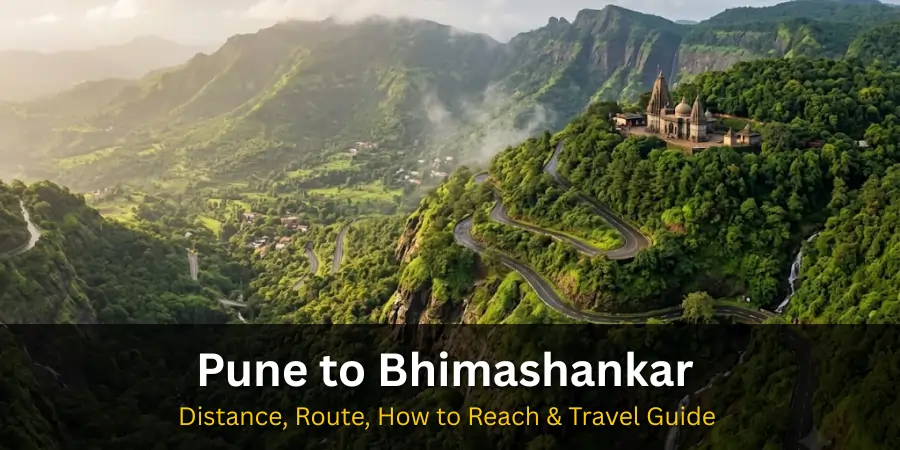 Pune to Bhimashankar Distance, Route, How to Reach & Travel Guide
July 07, 2026
Pune to Bhimashankar Distance, Route, How to Reach & Travel Guide
July 07, 2026
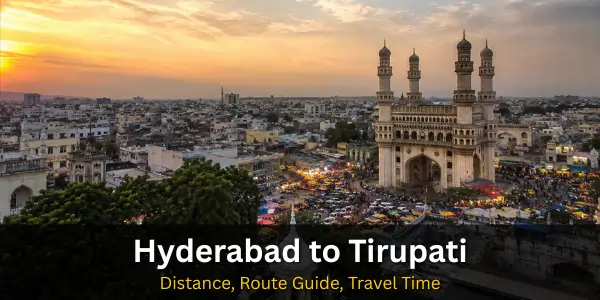 Hyderabad to Tirupati Distance: Route Guide, Travel Time & Best Way to Travel
June 27, 2026
Hyderabad to Tirupati Distance: Route Guide, Travel Time & Best Way to Travel
June 27, 2026
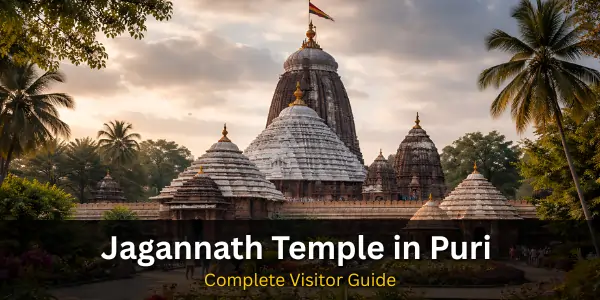 Jagannath Temple in Puri: Complete Visitor Guide — Darshan Timings, Entry Rules & Tips (2026)
June 16, 2026
Jagannath Temple in Puri: Complete Visitor Guide — Darshan Timings, Entry Rules & Tips (2026)
June 16, 2026
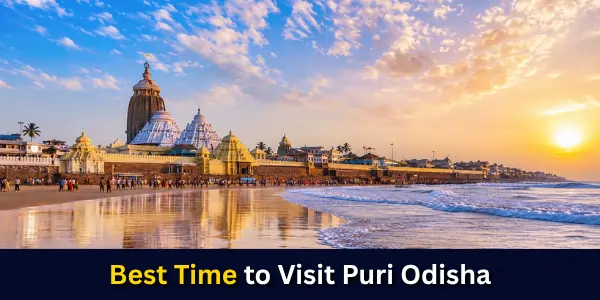 Best Time to Visit Puri Odisha: Month-by-Month Guide for Every Traveller
June 11, 2026
Best Time to Visit Puri Odisha: Month-by-Month Guide for Every Traveller
June 11, 2026
 Kolkata to Digha Distance: Complete Road Trip & Travel Guide
May 29, 2026
Kolkata to Digha Distance: Complete Road Trip & Travel Guide
May 29, 2026

0 Comments
No comments yet. Be the first to share your thoughts!
Leave a Comment