24×7 Cab Booking

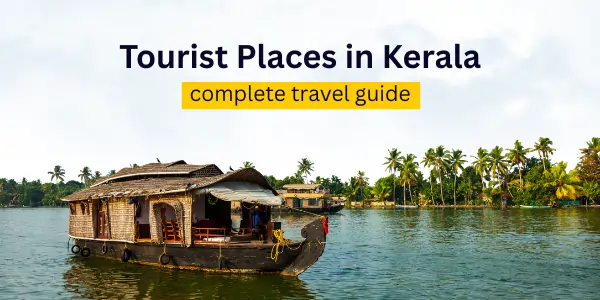
While most Indian states offer one or two anchor experiences, Kerala stacks them one after another: misty hill stations, shimmering backwater networks, ancient spice forests, pristine beaches, wildlife-rich sanctuaries, centuries-old temples, and one of the most refined culinary traditions in Asia. The state stretches just 580 km from north to south, yet it packs more geographical and cultural diversity than destinations ten times its size.
Planning a Kerala road trip? A comfortable, well-planned cab service makes all the difference when navigating the state's winding mountain roads and coastal highways. Explore Kerala taxi service – HurryUp Cabs for outstation and intercity cab options across the state.
Recognized by National Geographic as one of its "50 Places of a Lifetime," shortlisted by the New York Times among its Top 52 Global Destinations, and recently ranked by Rough Guides in the World's Top 26 Destinations for 2026 — Kerala's reputation on the global travel circuit has never been stronger.
This blog covers the best tourist places in Kerala for every kind of traveler — first-timers, honeymooners, adventure seekers, family groups, and solo backpackers. We've also included the best time to visit Kerala, quick travel logistics, and hidden gems that most itineraries skip.
If there's one destination that defines Kerala's hill tourism, it's Munnar. Sitting at 1,532 metres above sea level in the heart of the Western Ghats, Munnar is blanketed by over 30,000 hectares of tea estates — the largest concentration in the world at this altitude.
The landscape changes with every kilometre: rolling emerald hills give way to silver waterfalls, which give way to dense shola forests alive with the calls of Nilgiri Shola birds. On a clear morning, the peaks above Munnar reflect rose gold in the sunrise — a sight that stays with you. The most popular way to reach Munnar is a cab from Kochi — a scenic 3.5-hour drive through the Ghats. Book a Kochi to Munnar taxi and let the journey be part of the experience.
Top attractions in Munnar:
Ideal stay: 2–3 nights. Book tea estate bungalows or eco-lodges for the most authentic experience.
No destination in India offers what Alleppey offers: the experience of sleeping on a traditional kettuvallam houseboat as it drifts through an emerald labyrinth of canals, palm-fringed lagoons, and paddy fields where the only sounds are birdsong and the dip of an oar.
Called the "Venice of the East," Alleppey is the nerve centre of Kerala's famous backwater network — a 900 km system of interconnected lakes, rivers, and canals running parallel to the coast. Vembanad Lake, the longest lake in India, anchors the region.
What to do in Alleppey:
Alleppey vs Kumarakom: Alleppey offers more variety and scale; Kumarakom is more intimate and boutique. First-time visitors should choose Alleppey.
Kochi is Kerala's most cosmopolitan city and its most layered destination. This ancient port — which drew Arab traders, Chinese fishermen, Portuguese explorers, Dutch merchants, and British colonists over 600 years — carries all of that history in its streets, spice warehouses, churches, synagogues, and mosques.
Fort Kochi, the old quarter, feels like walking through a European colonial town transplanted to the tropics: narrow cobblestone lanes, heritage cafés in converted warehouses, galleries showcasing Kerala's contemporary art scene, and the iconic Chinese fishing nets drooping into the harbour at dusk.
Book a Sightseeing Taxi in Kochi and enjoy travelling to Kochi famous destinations.
Must-do in Kochi:
Wayanad is where Kerala gets wild. This highland district, sandwiched between Karnataka and Tamil Nadu, is home to dense deciduous forests, tribal communities, ancient cave temples, and some of the finest coffee and pepper estates in India.
Unlike the manicured landscapes of Munnar, Wayanad feels raw — unpredictable, lush, and deeply forested. It's the destination of choice for travelers who want wildlife, trekking, and cultural immersion rather than postcard scenery.
Best experiences in Wayanad:
Who should go: Wildlife enthusiasts, trekkers, photography travelers, and those interested in Adivasi (tribal) culture.
Periyar National Park at Thekkady is South India's most celebrated wildlife destination — and its most accessible. The park's defining feature is Periyar Lake, an artificial reservoir created in 1895 by the British, which now forms the centrepiece of one of India's finest tiger reserves.
Bamboo rafting through the lake at dawn, while herds of elephants drink at the water's edge and kingfishers dart between reeds, is an experience unlike anything else in India.
Thekkady activities:
Kovalam, just 16 km from Thiruvananthapuram, is Kerala's most iconic beach destination — a crescent of three adjoining beaches separated by rocky headlands. The southernmost, Lighthouse Beach, is the liveliest, anchored by a red-and-white lighthouse that you can climb for panoramic views.
Kovalam highlights:
Kerala best beach for what? Kovalam for buzz and convenience; Varkala for drama; Marari for serenity; Cherai for dolphin watching; Bekal for history.
Varkala is everything Kovalam isn't: dramatic, unhurried, and deeply spiritual. A 15-metre red laterite cliff runs along the beach, lined with cafés and yoga shalas that look straight out onto the Arabian Sea. Below, Papanasam Beach draws Hindu pilgrims — the waters here are considered sacred by the Janardhana Swamy Temple tradition.
Why Varkala stands out:
If Alleppey is Kerala's backwater blockbuster, Kumarakom is its art-house alternative. Located on Vembanad Lake, this smaller destination is defined by its bird sanctuary, luxury resorts built on reclaimed paddy land, and a quieter, more curated backwater experience.
The Kumarakom Bird Sanctuary hosts over 100 migratory species — including Siberian cranes, herons, egrets, and the rare Oriental Darter. October to February is prime birdwatching season.
Kumarakom is ideal for: honeymooners, luxury travelers, and those who want houseboats without Alleppey's crowd.
Thrissur (Trichur) is Kerala's cultural nerve centre and home to the state's most famous festival. The city's identity is inseparable from Thrissur Pooram — held annually in April or May — a spectacular convergence of 10 temple elephants adorned in gold caparisons, percussion ensembles of over 200 musicians, and a fireworks display that rivals anything in the world.
Beyond the festival:
The Chalakudy River descends dramatically through Sholayar forest range, creating a series of waterfalls of which Athirapally (80 ft drop, 330 ft wide) is the most spectacular. The adjoining Vazhachal Falls and the surrounding forest are home to hornbills, lion-tailed macaques, and elephants.
The road between the two falls passes through core forest — keep the windows down and the cameras ready.
Palakkad is Kerala's least-visited major destination and one of its most rewarding. The Palakkad Gap — a natural pass through the Western Ghats — has made this city a meeting point of Keralan and Tamil cultures for centuries, resulting in a unique food culture, temple architecture style, and agricultural landscape.
Palakkad highlights:
Bekal Fort is one of Kerala's most visually dramatic landmarks — a massive 40-acre laterite fort that juts into the Arabian Sea on a rocky headland, surrounded by water on three sides. The fort dates to the 17th century and offers sweeping views of Kannur's coastline from its observation tower.
The surrounding Bekal Beach is calm, clean, and relatively uncrowded — one of the best beaches in Kerala for those who want space and scenery without the tourist infrastructure of Kovalam.
Kannur is the heartland of Theyyam — Kerala's most extraordinary ritual art form, in which performers in elaborate costumes and makeup become living embodiments of deities during all-night ceremonies held from October to May. Unlike Kathakali which is performed on stage, Theyyam happens in village temple grounds — raw, powerful, and profoundly moving to witness.
Kannur is also home to Kerala's largest handloom weaving industry, producing the famous Kannur bedsheets and home textiles sold across India.
Also visit: St. Angelo Fort (Portuguese, 1505 CE), Payyambalam Beach, and Muzhappilangad Drive-in Beach — the longest drive-in beach in Asia at 4 km.
Kozhikode was the most important spice trading port in the world for centuries — Vasco da Gama landed here in 1498, and the city's pepper, ginger, and cardamom flowed to Europe, Arabia, and China for over 400 years.
Today it's a bustling city with excellent food (Malabar cuisine is Kerala's most distinct and celebrated), a vibrant arts scene, and a genuine lack of tourist crowds.
Kozhikode must-try:
Vagamon is what Munnar was 20 years ago: accessible, relatively undiscovered, and strikingly beautiful. Located at 1,100 metres, this plateau district straddles Kerala and Tamil Nadu and is defined by three hills — Murugan, Thangal, and Kurisumala — each with a different religious significance.
The combination of pine forests, rolling meadows, mist-covered valleys, and a single winding road that connects it all makes Vagamon ideal for slow travel.
Kerala's capital is often skipped in favour of Kochi, but Thiruvananthapuram has its own distinct personality: a historic city built on seven hills with an ancient royal legacy, India's most powerful temple economy, and a scientific research hub home to ISRO and multiple national institutes.
Key attractions:
Munroe Island (Munroturuthu) is a cluster of eight small islands at the confluence of Ashtamudi Lake and the Kallada River. Unlike Alleppey's more commercial backwater circuit, Munroe feels genuinely off-the-beaten-path: canoe rides through narrow waterways, traditional Chinese fishing nets operated by local families, and coir-making village visits.
It's the kind of place that reminds you what Kerala's backwater culture looked like before the houseboat industry scaled up.
Poovar is a rare geographical phenomenon — a narrow island at the southernmost tip of Kerala where the Neyyar River meets the Arabian Sea. The result is a 2 km golden beach flanked by a river on one side and the ocean on the other, accessible only by boat.
It's almost entirely free of tourist crowds and offers some of Kerala's most surreal backwater scenery.
Kasargod, Kerala's northernmost district, is culturally distinct from the rest of the state — it borders Karnataka and has historically been home to speakers of Malayalam, Kannada, Tulu, Konkani, Beary (a local Arabic-Kannada blend), and more.
Highlights: Bekal Fort (covered above), the Ananthapura Lake Temple (Kerala's only lake temple, believed to be the original seat of the Ananthapadmanabha deity), and the Ranipuram Hill Station — a trekking destination within thick Brahmagiri forest.
Described by ornithologist Dr. Salim Ali as "the richest bird habitat in peninsular India," Thattekkad in the Ernakulam district is a river island sanctuary home to over 300 bird species — including the rare Ceylon Frogmouth, Sri Lanka Spikeheeled Lark, and Malabar Trogon. Best visited between November and March with an experienced local naturalist guide.
Planning a Kerala trip is easier when you understand the state's regional structure:
North Kerala (Malabar Region): Kozhikode, Kannur, Kasargod, Wayanad — best for cultural heritage, tribal culture, Theyyam, beaches without crowds
Central Kerala: Kochi, Thrissur, Munnar, Thekkady, Athirapally — best for first-time visitors; maximum variety
South Kerala: Alleppey, Kumarakom, Varkala, Kovalam, Thiruvananthapuram — best for backwaters, beaches, Ayurveda
Kerala is a year-round destination, but different seasons suit different experiences.
October to February (Peak Season) The best overall time to visit Kerala. Days are sunny, humidity drops, nights are cool in the hills, and seas are calm. This is the time for beaches, backwater cruises, wildlife, and cultural festivals. The downside: higher prices and more crowds, especially around Christmas and New Year.
March to May (Pre-Monsoon / Summer) Warm and humid along the coast, but hill stations like Munnar, Wayanad, and Vagamon are cool and blooming. Great for budget travelers. The Thrissur Pooram festival falls in April-May and is unmissable if you can handle the heat.
June to September (Monsoon) This is when Kerala transforms. The Western Ghats become a deep, dripping green; waterfalls roar to life; and the landscape turns cinematic. Ayurveda treatments are traditionally most effective during this season (the humidity opens pores). Kerala's houseboat tours and beach visits are not ideal, but the hill stations and wildlife zones offer magical, misty experiences. Onam, Kerala's biggest harvest festival, falls in August or September — a spectacular time to experience local culture.
Getting There Kerala has four international airports: Kochi (COK) is the busiest and most central; Thiruvananthapuram (TRV) for south Kerala; Calicut (CCJ) for north Kerala; Kannur (CNN) for the Malabar region.
Getting Around KSRTC buses cover every major route and are reliable for budget travel. For a Kerala road trip, self-drive rentals or chauffeured cars are most flexible — a cab service makes sense for routes between hill stations and coastal cities where the mountain roads reward an experienced local driver. Trains run along the coast (Thiruvananthapuram to Kasargod is one of India's most scenic rail routes).
How Many Days for Kerala? A focused Kerala trip needs a minimum of 7 days. 10–14 days is ideal for covering the south and central regions thoroughly. 15+ days allows you to include north Kerala (Wayanad, Kannur, Kasargod), which most itineraries skip.
Accommodation Options Kerala offers the widest variety of accommodation in India outside of Goa: heritage bungalows, spice plantation stays, treehouses in the Western Ghats, houseboat charters, cliff-top eco-lodges, and luxury Ayurveda resorts. Book 2–3 months in advance for peak season (December–January).
What to Pack Lightweight cottons are ideal for coastal areas. Carry a light layer for hill stations — Munnar evenings can drop to 10°C in January. Good walking shoes are essential for wildlife treks and heritage walks. A rain poncho is useful year-round, essential during monsoon.
Kerala's food is an experience in itself. Coconut, black pepper, curry leaves, tamarind, and dried red chillies form the backbone of a cuisine that varies dramatically between coastal, hill, and Malabar regions.
Must-try dishes:
Kerala is well-connected by air, rail, and road — but how you choose to move within the state defines the quality of your trip more than any other decision.
By Air Kerala has four international airports — Kochi (COK), Thiruvananthapuram (TRV), Kozhikode (CCJ), and Kannur (CNN). Most travelers fly into Kochi, which is the most central and has the best onward connectivity. Fly into Thiruvananthapuram if your trip starts in the south; Kozhikode or Kannur if you're beginning with north Kerala or Wayanad.
By Train The Thiruvananthapuram–Shoranur–Kasargod rail line runs the full length of Kerala's coast and is one of India's most scenic train journeys. Trains connect all major cities including Kochi, Kozhikode, Thrissur, and Kannur. Ideal for point-to-point coastal travel, but limited for reaching hill stations like Munnar, Wayanad, or Thekkady — all of which require road travel.
By Bus KSRTC operates an extensive network across Kerala, including AC Volvo coaches on popular intercity routes. Budget-friendly but time-consuming, and not practical when you're moving between multiple destinations with luggage across varied terrain.
By Car — The Best Way to Explore Kerala Honest opinion: Kerala is best experienced by road. The state's geography — hill stations, coastal highways, forest routes, backwater villages — is designed for unhurried road travel, not rushed rail connections. The drive from Kochi to Munnar through the Ghats, or from Thekkady to Alleppey through rubber plantations and paddy fields, is itself a highlight of any Kerala trip.
Car rental in Kerala gives you complete flexibility — stop when you want, take detours, reach homestays that no train or bus touches. For those unfamiliar with Kerala's mountain roads and the occasional hairpin section, an outstation cab booking in Kerala with an experienced local driver is the smarter, safer, and more relaxing choice. You get the flexibility of private transport without the stress of navigation.
A single cab hired for a 7–10 day Kerala circuit — Kochi to Munnar to Thekkady to Alleppey to Kovalam — typically works out more economical than booking separate transfers at each leg, and far more comfortable than stitching together buses and shared taxis.
For solo travelers, couples, and families alike, a dedicated cab with a knowledgeable driver remains the single best investment you can make in a Kerala trip.
7-Day Classic Kerala Tour: Day 1–2: Arrive Kochi — Fort Kochi heritage walk, Chinese fishing nets, Kathakali performance Day 3–4: Munnar — Tea estates, Eravikulam NP, Top Station Day 5: Thekkady — Periyar Lake cruise, spice plantation Day 6: Alleppey — Houseboat overnight in the backwaters Day 7: Return to Kochi or proceed to Thiruvananthapuram
10-Day Kerala with Beach: Days 1–2: Kochi Days 3–4: Munnar Day 5: Thekkady Days 6–7: Alleppey (houseboat + explore) Day 8: Varkala Day 9–10: Kovalam + Thiruvananthapuram (Padmanabhaswamy Temple)
12-Day Kerala with Wayanad: Days 1–2: Kochi Days 3–5: Wayanad (Chembra Peak, Edakkal Caves, Muthanga) Days 6–7: Kozhikode (Malabar food trail + Kappad Beach) Days 8–9: Munnar Day 10: Thekkady Days 11–12: Alleppey + return via Kochi
The secret to Kerala's enduring appeal is simple: it offers a complete travel experience within a compact geography, without sacrificing authenticity for convenience. The state has invested in sustainable tourism, cultural preservation, and ecological protection in ways that few Indian destinations have matched.
Whether you spend a week on a houseboat watching kingfishers dart between lotus flowers, or a fortnight trekking through Western Ghat forests with tribal guides, or simply sitting in a 400-year-old spice warehouse in Fort Kochi sipping black tea — Kerala has a way of filling every hour with something that feels genuinely worth your time.
If you're looking for a reliable cab for your Kerala trip, HurryUp Cabs offers outstation cab bookings and car rentals across Kerala's most popular routes — so all you carry is the excitement of the journey ahead.

 Tirupati to Hyderabad Distance: Travel Time, Routes & Best Way to Travel
September 17, 2026
Tirupati to Hyderabad Distance: Travel Time, Routes & Best Way to Travel
September 17, 2026
 Pune to Aurangabad Distance: Complete Travel Guide & Route Info
September 05, 2026
Pune to Aurangabad Distance: Complete Travel Guide & Route Info
September 05, 2026
 Tirupati to Bangalore Distance: Route & Travel Guide
August 29, 2026
Tirupati to Bangalore Distance: Route & Travel Guide
August 29, 2026
 Coimbatore to Bangalore Distance by Car, Bus & Train – Complete Guide
July 21, 2026
Coimbatore to Bangalore Distance by Car, Bus & Train – Complete Guide
July 21, 2026
 Bangalore to Tirupati Distance: Complete Road Trip Guide
July 15, 2026
Bangalore to Tirupati Distance: Complete Road Trip Guide
July 15, 2026
 Pune to Bhimashankar Distance, Route, How to Reach & Travel Guide
July 07, 2026
Pune to Bhimashankar Distance, Route, How to Reach & Travel Guide
July 07, 2026
 Hyderabad to Tirupati Distance: Route Guide, Travel Time & Best Way to Travel
June 27, 2026
Hyderabad to Tirupati Distance: Route Guide, Travel Time & Best Way to Travel
June 27, 2026
 Jagannath Temple in Puri: Complete Visitor Guide — Darshan Timings, Entry Rules & Tips (2026)
June 16, 2026
Jagannath Temple in Puri: Complete Visitor Guide — Darshan Timings, Entry Rules & Tips (2026)
June 16, 2026
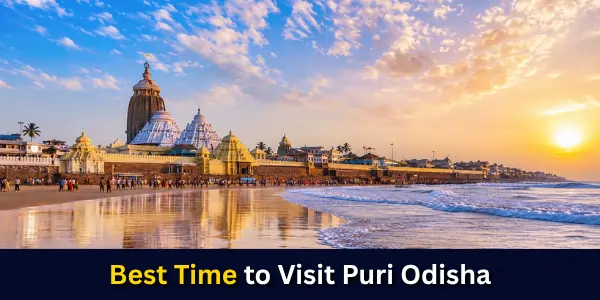 Best Time to Visit Puri Odisha: Month-by-Month Guide for Every Traveller
June 11, 2026
Best Time to Visit Puri Odisha: Month-by-Month Guide for Every Traveller
June 11, 2026
 Kolkata to Digha Distance: Complete Road Trip & Travel Guide
May 29, 2026
Kolkata to Digha Distance: Complete Road Trip & Travel Guide
May 29, 2026

1 Comment
Osm Blog
Leave a Comment