Rishikesh to Kedarnath by Road: Complete Travel Guide 2025

Published on 24-Jun-2025 11:18 AM Explore: HurryUp Cab Service
rishikesh to kedarnath distance by road


The journey from Rishikesh to Kedarnath offers not just a travel experience but a spiritual passage through the majestic Himalayas. Whether you’re planning a kedarnath trip from Rishikesh or seeking the way to Kedarnath from Rishikesh, this comprehensive guide covers everything you need to know about the rishikesh to kedarnath route, transportation options, accommodation, and essential travel tips for 2025.


Introduction to Rishikesh to Kedarnath Journey

The journey from Rishikesh to Kedarnath by road offers breathtaking views of the Himalayan landscape and a deeply spiritual experience that goes beyond mere travel. This sacred passage takes pilgrims from the yoga capital of the world to one of Hinduism’s most revered Dhams, home to one of the 12 Jyotirlingas dedicated to Lord Shiva.

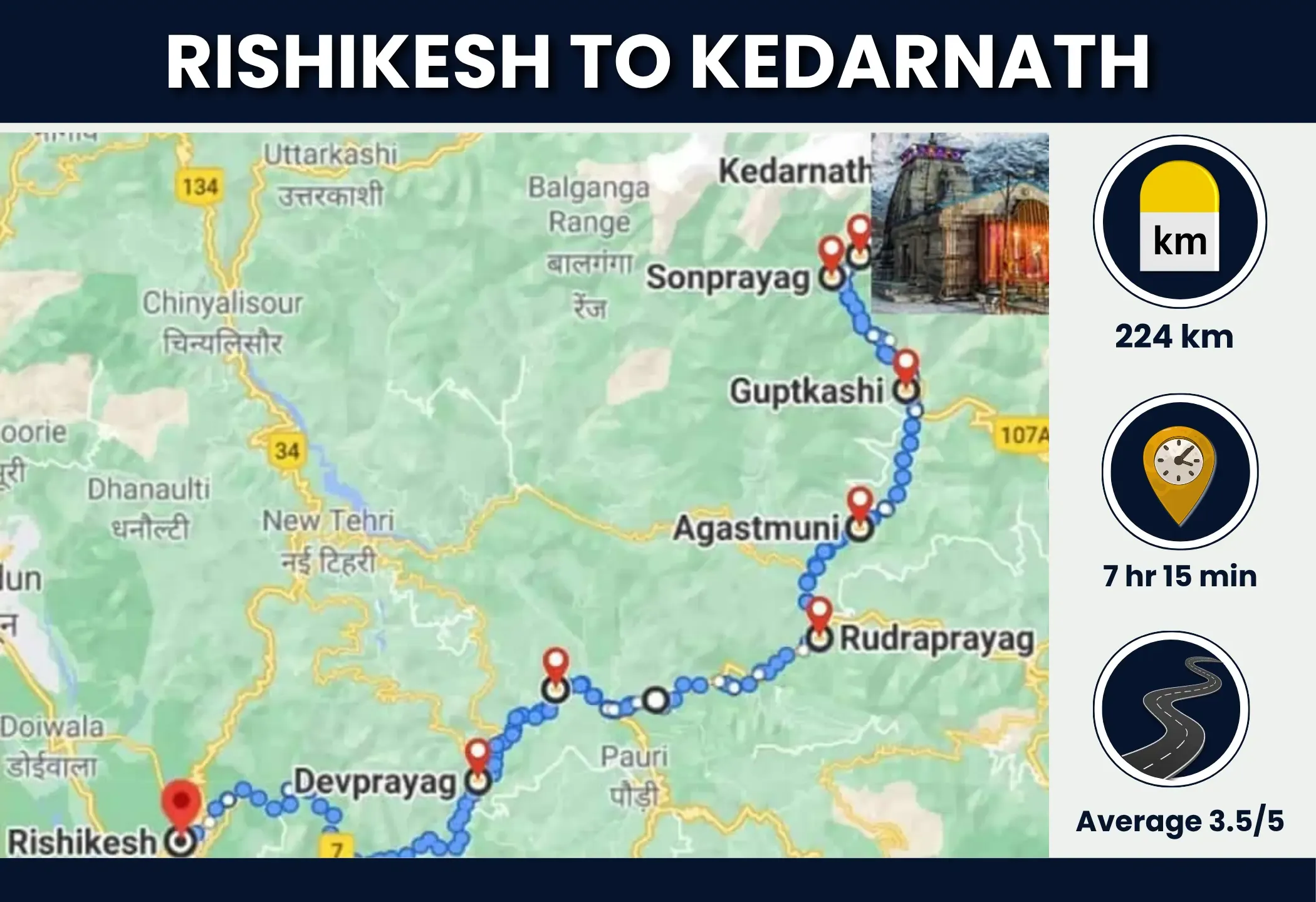
The total Rishikesh to Kedarnath distance is approximately 227 kilometers by road to Gaurikund, followed by a 16 km trek to reach the temple. This journey combines the thrill of mountain roads with the serenity of a pilgrimage, making it a unique experience for travelers seeking both adventure and spiritual fulfillment.

For 2025, this guide provides you with everything you need to know about making this journey – from detailed route information and transportation options to accommodation choices and seasonal considerations. Whether you’re a devout pilgrim or an adventure enthusiast, this comprehensive guide will help you plan your Kedarnath trip from Rishikesh with confidence.

Quick Facts About the Journey

  • Total Distance: 227 km by road (Rishikesh to Gaurikund) + 16 km trek (Gaurikund to Kedarnath)
  • Elevation Change: Rishikesh (372m) to Kedarnath (3,583m)
  • Travel Time: 8-10 hours by road + 5-7 hours trek (depending on fitness level)
  • Best Time to Visit: May-June and September-October
  • Temple Opening Date 2025: May 2nd (subject to confirmation)
  • Temple Closing Date 2025: Early November (based on Hindu calendar)

Rishikesh to Kedarnath: Distance & Route Overview

Rishikesh — Devprayag — Srinagar — Rudraprayag - Agastamuni — Guptkashi — Sonprayag — Gaurikund — Kedarnath
rishikesh to kedarnath distance


The Rishikesh to Kedarnath distance can be covered in about 8-10 hours by road, depending on traffic and road conditions. Understanding this distance helps in planning appropriate stops along the journey, ensuring a comfortable and safe travel experience.

The journey is divided into two main parts:

Road Journey: The 227 km stretch from Rishikesh to Gaurikund that can be covered by various modes of transport including private vehicles, buses, and taxis.

Trek: The final 16 km from Gaurikund to Kedarnath Temple that must be completed on foot, by pony, or by palanquin (doli).

Navigating the Rishikesh to Kedarnath Road Distance: Key Segments

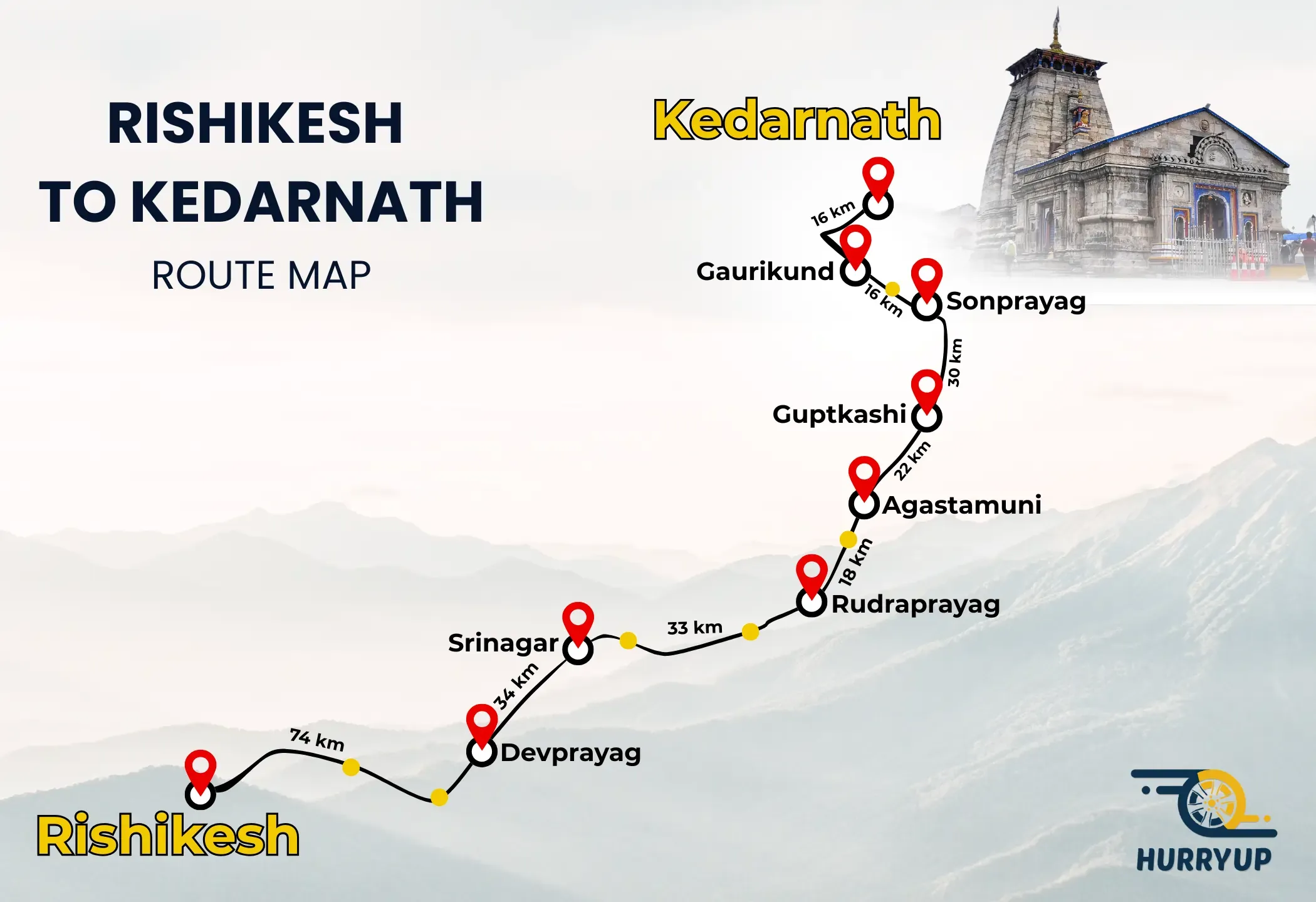
The rishikesh to kedarnath distance by road is divided into several segments, each offering unique landscapes and challenges. Here’s a breakdown of the key segments:

  1. Rishikesh to Devprayag: 74 km (approximately 2-2.5 hours)
  2. Devprayag to Srinagar: 34 km (approximately 1-1.5 hours)
  3. Srinagar to Rudraprayag: 33 km (approximately 1-1.5 hours)
  4. Rudraprayag to Agastmuni: 18 km (approximately 45 minutes)
  5. Agastmuni to Guptkashi: 22 km (approximately 1 hour)
  6. Guptkashi to Sonprayag: 30 km (approximately 1-1.5 hours)
  7. Sonprayag to Gaurikund: 16 km (approximately 45 minutes)

When calculating the distance between rishikesh to kedarnath by road, remember to account for potential detours due to road work or landslides, especially during or after the monsoon season.

Understanding the Distance Between Rishikesh to Kedarnath by Road

The total distance between Rishikesh to Kedarnath by road spans approximately 243 kilometers when including both the road journey and the trek. This distance takes you through some of the most scenic landscapes in Uttarakhand, following the course of sacred rivers and passing through important pilgrimage sites.

The road journey from Rishikesh to Gaurikund covers about 227 kilometers of mountain roads, while the remaining 16 kilometers from Gaurikund to Kedarnath must be traversed on foot or using traditional mountain transport options.
Detailed Route Breakdown

rishikesh to kedarnath route map

The journey from Rishikesh to Kedarnath by road offers breathtaking views of the Himalayan landscape. Let’s explore each segment of this rishikesh to kedarnath route in detail to help you prepare for what lies ahead.

Rishikesh to Devprayag (74 km)

This initial stretch follows NH-7 (previously NH-58) along the Ganges River, offering spectacular views of the sacred river and surrounding hills.

Road Conditions: Mostly well-maintained highway with occasional patches under repair. The road is wide enough for comfortable driving with periodic widening for passing.

Key Points Along the Way:

  • Shivpuri (22 km from Rishikesh): Famous for river rafting, this makes an excellent short break. Look for the small tea stalls offering local pahadi chai.
  • Kaudiyala (35 km from Rishikesh): Another rafting point with breathtaking river views. The road narrows slightly after this point.
  • Byasi (50 km from Rishikesh): Last major settlement before Devprayag with several dhabas serving fresh food.

Travel Time: Approximately 2-2.5 hours, depending on traffic and stops.

Driving Tips: Watch for falling rocks in the narrower sections, especially after recent rainfall. The road has several blind curves where honking is advisable.

Devprayag to Srinagar (34 km)

Devprayag is the sacred confluence (prayag) of the Alaknanda and Bhagirathi rivers, which form the Ganges. This segment continues along NH-7 with the Alaknanda River as your companion.

Road Conditions: Generally good with some narrow sections and occasional rough patches. The road follows the river valley with moderate curves.

Key Points:

  • Devprayag Town: Worth a short stop to view the confluence and visit the ancient Raghunath Temple.
  • Dhari Devi Temple (25 km from Devprayag): An important temple dedicated to Goddess Kali, located on a small island in the Alaknanda River.

Travel Time: Approximately 1-1.5 hours.

Scenic Views: This stretch offers beautiful views of the Alaknanda River and surrounding mountains. Several spots are perfect for photography.

Srinagar to Rudraprayag (33 km)

Srinagar (not to be confused with the one in Kashmir) is the largest town in the Garhwal region and offers several amenities for travelers.

Road Conditions: Well-maintained road with moderate traffic. Some sections have been widened recently, making for a comfortable drive.

Key Points:

  • Srinagar Town: Good place for a meal break with several restaurants and hotels.
  • Chauras Museum: Houses artifacts related to Garhwali culture and history.

Travel Time: Approximately 1-1.5 hours.

Practical Information: Srinagar is the last major town with ATMs, hospitals, and other facilities before Rudraprayag, so consider taking care of any banking or shopping needs here.

Rudraprayag to Gaurikund (86 km)

This longest segment of the journey takes you through Agastmuni, Ukhimath, and Sonprayag before reaching Gaurikund.

Road Conditions: The road quality varies in this section. While some stretches are well-maintained, others can be narrow and rough, especially after Guptkashi.

Key Points:

  • Rudraprayag: The confluence of Alaknanda and Mandakini rivers. Visit the Rudranath Temple and Koteshwar Temple if time permits.
  • Agastmuni (18 km from Rudraprayag): Small town with a temple dedicated to Sage Agastya.
  • Ukhimath (22 km from Agastmuni): Winter seat of Lord Kedarnath. The deity is brought here when the Kedarnath Temple closes for winter.
  • Guptkashi (8 km from Ukhimath): Important pilgrimage site with the ancient Vishwanath Temple and Ardhanarishwar Temple.
  • Sonprayag (30 km from Guptkashi): The confluence of Mandakini and Basuki rivers. During peak season, private vehicles may need to be parked here, with shared taxis available to Gaurikund.
  • Gaurikund (16 km from Sonprayag): The end of the motorable road and starting point for the trek to Kedarnath.

Travel Time: Approximately 3-4 hours, depending on road conditions and stops.

Challenges: This section has the most challenging road conditions, with occasional landslides during and after monsoon. The road narrows significantly in some areas, requiring careful driving.
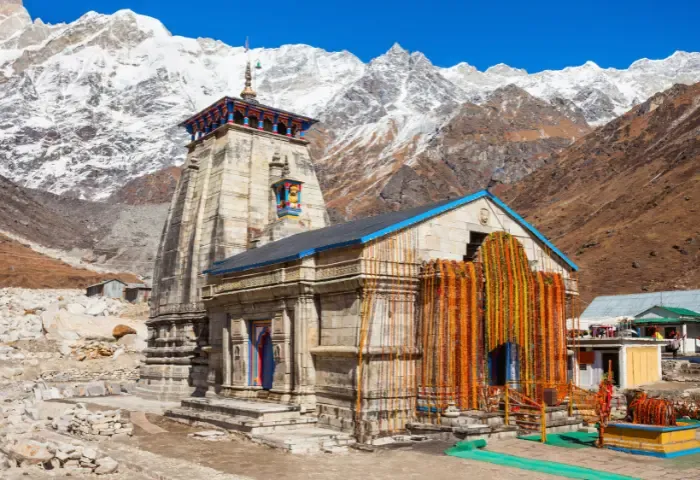
Gaurikund to Kedarnath (16 km trek)

gaurikund to kedarnath

The final leg of your journey to Kedarnath is a 16 km trek from Gaurikund. This trek takes pilgrims through stunning mountain landscapes and dense forests.

Trek Details:

  • Distance: 16 kilometers one way
  • Duration: 5-7 hours depending on fitness level
  • Elevation Gain: From 1,990m at Gaurikund to 3,583m at Kedarnath
  • Difficulty Level: Moderate to difficult

Trek Options:

  • On Foot: The traditional and most rewarding way to reach Kedarnath
  • By Pony: Available for those who find walking difficult (₹2,000-2,500 one way)
  • By Palanquin (Doli/Kandhi): Carried by four porters (₹4,000-6,000 one way)
  • By Helicopter: For those who cannot trek (services from Phata/Guptkashi)

Rest Points Along the Trek:

  • Jungle Chatti (4 km from Gaurikund): First major rest point with food stalls and toilets
  • Bhimbali (7 km from Gaurikund): Second rest point with basic facilities
  • Linchauli (12 km from Gaurikund): Last major rest point before Kedarnath

Trek Tips:

  • Start early in the morning to reach Kedarnath before evening
  • Carry sufficient water and high-energy snacks
  • Wear comfortable, broken-in trekking shoes
  • Use a walking stick for support (available for purchase or rent at Gaurikund)
  • Take frequent short breaks rather than fewer long ones
  • Stay hydrated but pace your water intake

Transportation Options from Rishikesh to Kedarnath

The most common way to Kedarnath from Rishikesh is by road to Gaurikund, followed by a trek to the temple. However, there are several transportation options to suit different preferences, budgets, and time constraints.

By Personal Vehicle

Traveling Rishikesh to Kedarnath by car gives you the flexibility to stop at various attractions along the route. This option is ideal for families or groups who prefer to travel at their own pace.

Requirements:

  • Valid driving license and vehicle documents
  • Vehicle in good condition, preferably with good ground clearance
  • Parking fees at Gaurikund (approximately ₹100-150 per day)
  • During peak season, private vehicles might need to be parked at Sonprayag

Advantages:

  • Freedom to create your own itinerary
  • Convenience of carrying extra luggage
  • Ability to stop anywhere for photos or rest

Challenges:

  • Driving on mountain roads can be tiring
  • Parking might be limited during peak season
  • Fuel stations are limited after Rudraprayag

If you’re planning to go Rishikesh to Kedarnath by car, ensure your vehicle is in good condition for mountain roads. Check brakes, tires, and cooling system before embarking on the journey.

By Bus

Government and private buses operate from Rishikesh to Gaurikund during the Yatra season (typically May to October).

Government Buses:

  • Departure Point: Rishikesh Bus Stand
  • Timing: Morning departures between 6:00 AM and 10:00 AM
  • Fare: ₹600-1000 per person (as of 2025)
  • Duration: 8-10 hours with stops
  • Booking: Available at the bus stand or online via Uttarakhand Transport Corporation website

Private Buses:

  • Departure Points: Various locations in Rishikesh including Triveni Ghat area
  • Timing: Multiple departures between 5:00 AM and 11:00 AM
  • Fare: ₹700-1200 per person (as of 2025)
  • Duration: 8-10 hours with fewer stops than government buses
  • Booking: Available through local travel agencies or online platforms

Pros: Most economical option; no parking concerns; opportunity to meet fellow pilgrims
Cons: Fixed schedules; longer journey time due to multiple stops; less comfortable for travelers prone to motion sickness

By Taxi/Cab

For those seeking comfort and convenience, hiring a taxi is an excellent option for your trip to Kedarnath from Rishikesh. Hurry Up Cabs offer reliable services for this route with experienced drivers who know the mountain roads well.

One-Way Taxi (Rishikesh to Gaurikund):

  • Sedan: ₹6,000-7,000
  • SUV: ₹8,000-9,000
  • Duration: 8-10 hours depending on stops

Round-Trip with Waiting:

  • Sedan: ₹12,000-15,000
  • SUV: ₹16,000-18,000
  • Duration: Typically 2-3 days package

Hurry Up Cabs offers a reliable Char Dham Yatra taxi service for pilgrims planning to visit one, multiple, or all four Dhams—Badrinath, Kedarnath, Gangotri, and Yamunotri. Whether you need a spacious SUV like Toyota Innova or a budget-friendly sedan, we have vehicles to match your comfort and group size. Don’t forget to check out our Char Dham Yatra guide for route info, darshan timings, and more. Book your yatra cab with Hurry Up today and begin your spiritual journey stress-free!

Advantages:

  • Comfort and convenience
  • Experienced drivers familiar with the route
  • Door-to-door service
  • Flexibility to stop at attractions along the way

Booking Tips:

  • Book at least 1-2 days in advance during peak season
  • Confirm if the fare includes parking charges and driver accommodation
  • Check if the vehicle has proper permits for the route

Helicopter Services

For those seeking comfort, the helicopter way to Kedarnath from Rishikesh is available during good weather conditions. This is particularly useful for elderly pilgrims or those with limited time.

Service Details:

  • Departure Points: Phata, Sersi, or Guptkashi (you’ll need to reach these points from Rishikesh by road)
  • Flight Duration: Approximately 8-10 minutes
  • Cost: ₹4,500-6,500 per person one way (as of 2025)
  • Booking: Available online through the official Uttarakhand Tourism website

Hurry Up Cabs can arrange transportation to the helipad locations and help with helicopter bookings if needed.

Best Time to Visit Kedarnath

Choosing the right time for your Rishikesh Kedarnath trip is crucial for a smooth and enjoyable experience. Each season offers a different perspective of the holy shrine and surrounding landscapes.

Summer Season (May-June)

Summer is the most popular time for the Kedarnath trip from Rishikesh as the temple opens around early May after the winter closure.

Weather Conditions:

  • Temperature Range: 15°C to 30°C in Rishikesh; 5°C to 17°C in Kedarnath
  • Precipitation: Minimal, with occasional light showers
  • Visibility: Excellent, with clear mountain views on most days

Pilgrimage Experience:

  • Temple Opening: Usually opens in May (exact date varies by Hindu calendar)
  • Crowd Levels: Peak season with heavy crowds, especially on weekends and during special religious dates
  • Accommodation: High demand; advance booking essential (at least 1-2 months prior)
  • Trek Conditions: Generally good, with well-maintained paths and all facilities operational

Pros: Perfect weather for trekking; full religious services available; maximum daylight hours for travel
Cons: Higher prices; crowded temple lines (wait times can exceed 3-4 hours); busy accommodation facilities

Recommendation: Ideal for first-time visitors seeking the complete pilgrimage experience. Plan to start your trek early (before 7 AM) to avoid the mid-day rush at the temple.

Monsoon Season (July-August)

Monsoon brings lush green landscapes but also increased risks due to rain and landslides.

Weather Conditions:

  • Temperature Range: 25°C to 35°C in Rishikesh; 10°C to 15°C in Kedarnath
  • Precipitation: Heavy rainfall, often daily
  • Visibility: Frequently poor due to rain and fog

Pilgrimage Experience:

  • Temple Status: Open but with frequent disruptions due to weather
  • Crowd Levels: Moderate to low, depending on weather conditions
  • Accommodation: Generally available, but quality might be affected by dampness
  • Trek Conditions: Challenging, with slippery paths and occasional route closures

Pros: Fewer crowds; lush green landscapes; mystical atmosphere with clouds and mist
Cons: High risk of landslides; road closures; difficult trekking conditions; limited helicopter services

Recommendation: Not recommended for first-time visitors or those with limited time. If you must travel during this period, keep flexible plans and always check road conditions before proceeding.

Post-Monsoon (September-October)

This is the second-best time for a Rishikesh to Kedarnath trip after the summer season.

Weather Conditions:

  • Temperature Range: 20°C to 30°C in Rishikesh; 5°C to 15°C in Kedarnath
  • Precipitation: Minimal, with occasional light showers
  • Visibility: Excellent, with clear skies and spectacular mountain views

Pilgrimage Experience:

  • Temple Status: Fully operational
  • Crowd Levels: Moderate, with a surge during Navratri
  • Accommodation: Good availability with fewer crowds than summer
  • Trek Conditions: Generally good, with repaired paths after monsoon damage

Pros: Clear weather; stunning landscape views; moderate crowds; comfortable temperatures
Cons: Shorter daylight hours; some facilities begin winding down as closing date approaches

Recommendation: Excellent for those who prefer a more relaxed pilgrimage experience with good weather conditions. The landscape is particularly beautiful after the monsoon rains.

Winter Season (November-April)

The Kedarnath Temple remains closed during winter due to heavy snowfall making the area inaccessible.

Weather Conditions:

  • Temperature Range: 5°C to 20°C in Rishikesh; -10°C to 5°C in Kedarnath
  • Precipitation: Snowfall in the higher regions
  • Visibility: Variable, often clear in Rishikesh but snow-covered in Kedarnath

Pilgrimage Experience:

  • Temple Status: Closed (deity shifted to Ukhimath)
  • Access: Road to Gaurikund may be open, but trek to Kedarnath is closed
  • Accommodation: Limited or closed in higher regions

Pros: Beautiful snow-covered landscapes in the higher regions
Cons: Temple is closed; no access to Kedarnath

Recommendation: Not suitable for a Kedarnath visit. However, you can visit Rishikesh and nearby attractions, or visit Ukhimath where the deity resides during winter.

Accommodation Options

Finding the right place to stay is crucial for a comfortable Rishikesh to Kedarnath trip. Here’s a comprehensive guide to accommodation options at various points along the route.

In Rishikesh

As the starting point of your journey, Rishikesh offers a wide range of accommodation options to suit all budgets.

Luxury Options:

  • Taj Rishikesh Resort & Spa: 5-star luxury with river views
  • Ananda In The Himalayas: Premium wellness resort
  • Raga on the Ganges: Riverside luxury resort

Mid-Range Options:

  • Divine Ganga Cottage: Comfortable rooms with river views
  • Aloha On The Ganges: Well-appointed rooms and good facilities
  • Ganga Kinare: Riverside property with good amenities

Budget Options:

  • Zostel Rishikesh: Popular backpacker hostel
  • Shiv Shakti Hostel: Affordable dormitory and private rooms
  • Yash Hotel: Basic but clean accommodation

Location Tip: Stay near Laxman Jhula or Tapovan for easy access to the main bus stand and taxi services for your onward journey.

Along the Route

Several towns along the Rishikesh to Kedarnath route offer accommodation options for those who wish to break their journey.

In Devprayag:

  • Hotel Sangam View: Mid-range hotel with river views
  • GMVN Tourist Rest House: Government-run facility with basic amenities

In Srinagar:

  • Hotel Devlok: Comfortable rooms with good facilities
  • Hotel Garhwal Mandal: Mid-range option with restaurant
  • Hotel Kamlesh: Budget-friendly option

In Rudraprayag:

  • Hotel Monal: Well-maintained property with good views
  • GMVN Tourist Rest House: Reliable government accommodation
  • Hotel Bhagwati: Budget option with basic facilities

Booking Tip: During peak season (May-June), book accommodations at least 2-3 weeks in advance. Hurry Up Cabs can help arrange accommodation along the route as part of their travel packages.

In Gaurikund

As the base for the Kedarnath trek, Gaurikund offers various accommodation options to suit different budgets and preferences.

Government Accommodations:

  • GMVN Tourist Rest House
    • Location: Near the hot springs
    • Price Range: ₹800-1,500 per night (as of 2025)
    • Facilities: Clean rooms, hot water, dining area
    • Booking: Recommended 1-2 months in advance during peak season

Private Hotels and Guesthouses:

  • Hotel Mandakini
    • Location: Main market area
    • Price Range: ₹700-1,200 per night
    • Facilities: Restaurant, room service, power backup
  • Shri Kedar Lodge
    • Location: Near trek starting point
    • Price Range: ₹600-1,000 per night
    • Facilities: Basic but clean rooms, hot water on request

Budget Options:

  • Several dharamshalas run by charitable trusts offer dormitory-style accommodation for ₹300-500 per night
  • Small homestays in the area provide authentic local experiences for ₹500-800 per night

Insider Tip: Rooms facing away from the road offer better sleep quality as the main street can be noisy with early morning trek preparations.

In Kedarnath

Accommodation in Kedarnath is limited and basic due to the remote location and harsh climate.

GMVN Tourist Rest House:

  • Location: Near the temple
  • Price Range: ₹1,000-2,000 per night
  • Facilities: Basic rooms, dining facility, hot water (limited hours)
  • Booking: Essential to book 2-3 months in advance during peak season

Dharamshalas:

  • Run by various trusts and religious organizations
  • Price Range: ₹300-800 per night
  • Facilities: Dormitory-style accommodation with shared bathrooms
  • Booking: Some accept advance bookings, others are first-come-first-served

Tent Accommodations:

  • Available during peak season
  • Price Range: ₹500-1,000 per night
  • Facilities: Basic sleeping arrangements with shared facilities

Important Note: Accommodation in Kedarnath fills up quickly during peak season. If you’re unable to secure a place to stay, you can return to Gaurikund after darshan or consider staying in nearby facilities managed by the temple administration.

Must-Visit Attractions

While the Kedarnath Temple is the main destination, several other attractions along the Rishikesh to Kedarnath route are worth exploring during your journey.
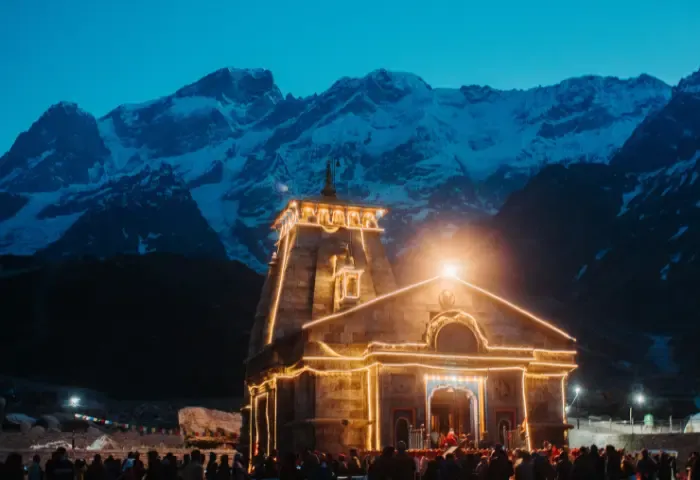
Kedarnath Temple

kedarnath-temple

The magnificent Kedarnath Temple stands as one of the 12 Jyotirlingas dedicated to Lord Shiva and is the centerpiece of your journey.
Built in the 8th century by Adi Shankaracharya, the temple has withstood numerous natural calamities, including the devastating 2013 floods, symbolizing resilience and divine protection.
The impressive stone structure features a conical Himalayan design with intricately carved figures of deities and celestial beings. The large sabha mandap (assembly hall) leads to the garbha griha (sanctum sanctorum) housing the self-manifested Shiva lingam.

Worship Information:

  • Morning Aarti: 4:30 AM to 5:30 AM
  • Evening Aarti: 7:00 PM to 8:00 PM
  • Regular Darshan Hours: 6:00 AM to 3:00 PM and 5:00 PM to 9:00 PM
  • Special Pujas: Available by advance booking through temple authorities

Visitor Tips:

  • Plan for at least 2-3 hours at the temple
  • Photography is restricted inside the main temple
  • Warm clothing is essential even in summer due to the high altitude
  • The best time for darshan is early morning (6:00 AM-8:00 AM) or evening (5:00 PM-7:00 PM) to avoid peak crowds

Along the Route

The journey from Rishikesh to Kedarnath passes through several significant attractions worth exploring.

In and Around Rishikesh:

  • Triveni Ghat: Sacred bathing spot where evening aarti is performed
  • Laxman Jhula and Ram Jhula: Iconic suspension bridges
  • Neelkanth Mahadev Temple: Ancient Shiva temple 12 km from Rishikesh

In Devprayag:

  • Raghunath Temple: Ancient temple dedicated to Lord Rama
  • Sangam Point: Sacred confluence of Alaknanda and Bhagirathi rivers

In Rudraprayag:

  • Rudranath Temple: Dedicated to Lord Shiva
  • Koteshwar Temple: Ancient cave temple
  • Sangam of Alaknanda and Mandakini: Beautiful confluence of two sacred rivers

In Guptkashi:

  • Vishwanath Temple: Ancient temple dedicated to Lord Shiva
  • Ardhanarishwar Temple: Unique temple dedicated to the half-male, half-female form of Shiva

Travel Tip: Hurry Up Cabs can help you plan stops at these attractions along the way, ensuring you don’t miss any important sites during your journey.

Near Kedarnath

Several attractions near Kedarnath complement your pilgrimage experience.

Bhairavnath Temple:

  • Located about 500 meters from the main temple
  • Dedicated to Bhairav, the guardian deity of Kedarnath
  • Traditional to visit after darshan at the main temple

Shankaracharya Samadhi:

  • Memorial of Adi Shankaracharya who revived the temple in the 8th century
  • Located behind the main temple
  • Significant historical and spiritual site

Chorabari Tal (Gandhi Sarovar):

  • Glacial lake about 3 km from Kedarnath Temple
  • Source of the Mandakini River
  • Beautiful natural attraction, though access may be restricted during certain periods

Adi Kailash View Point:

  • Offers panoramic views of the surrounding Himalayan peaks
  • Located on a small hillock near the temple
  • Perfect spot for photography when weather permits

Practical Travel Tips

Proper preparation ensures a smooth and comfortable Rishikesh Kedarnath trip. Here are essential tips to help you plan your journey effectively.

Essential Packing List

Proper preparation is crucial for a comfortable and safe journey to Kedarnath. This comprehensive packing list covers all essentials:

Clothing:

  • Lightweight, layered clothing (even in summer, temperatures can drop significantly)
  • Waterproof jacket/poncho (essential during monsoon, useful year-round)
  • Good quality, broken-in trekking shoes with ankle support
  • Thermal innerwear for evening and early morning (mandatory for post-monsoon visits)
  • Quick-dry towels and undergarments
  • Sun hat, sunglasses, and bandana/buff for dust protection

Documentation:

  • Government-issued photo ID (mandatory for registration)
  • Char Dham Yatra registration (can be obtained online at the official Uttarakhand Tourism website)
  • Travel insurance details
  • Emergency contact information
  • Physical copies of hotel/transportation bookings

Health & Safety:

  • First aid kit with basic medications
  • Prescribed medications in adequate quantity
  • Altitude sickness medication (consult your doctor)
  • High SPF sunscreen and lip balm
  • Hand sanitizer and wet wipes
  • Insect repellent
  • Reusable water bottle with filter
  • Electrolyte powder or tablets for hydration

Technology & Communication:

  • Power bank with at least 10,000 mAh capacity
  • Phone charger and adapters
  • Offline maps downloaded to your phone
  • Torch/headlamp with extra batteries
  • Simple waterproof pouch for electronics

Additional Useful Items:

  • Walking stick/trekking pole (can also be purchased locally)
  • Small daypack for the trek
  • Snacks like dry fruits, energy bars, and chocolates
  • Plastic bags for wet clothes and garbage
  • Light sleeping bag or liner if staying in basic accommodations

Health Precautions

The high altitude and physical demands of the journey require careful health planning.

Before the Journey:

  • Get a basic health check-up, especially if you have existing conditions
  • Start light physical training at least 1-2 months before (walking, stair climbing)
  • Consult your doctor about altitude sickness medication (Diamox)
  • Ensure all routine vaccinations are up to date

During the Journey:

  • Acclimatize properly by spending a day in Rishikesh before proceeding
  • Stay hydrated but avoid excessive water consumption in short periods
  • Avoid alcohol and smoking as they worsen altitude effects
  • Consume high-calorie, easily digestible foods
  • Take regular breaks during the trek and don’t overexert

Altitude Sickness Prevention:

  • Ascend slowly and spend time acclimatizing
  • Recognize symptoms: headache, nausea, dizziness, fatigue
  • Descend immediately if symptoms become severe
  • Consider preventive medication like Diamox (after consulting a doctor)

Medical Facilities:

  • Basic medical aid is available along the trek route
  • Primary Health Center in Gaurikund
  • Medical facilities in Kedarnath during yatra season
  • Carry personal medications as specific medicines may not be available

Communication

Staying connected during your journey requires planning due to limited network coverage in mountainous areas.

Network Availability:

  • Rishikesh: All major networks work well
  • Along the route: Patchy coverage, with BSNL having the best connectivity
  • Gaurikund: Limited but available network
  • Kedarnath: Very limited connectivity, primarily BSNL at specific spots

Communication Tips:

  • Inform family about your itinerary before starting the trek
  • Download offline maps for navigation
  • Consider renting a satellite phone for emergency communication
  • Keep important contacts written down as backup

Emergency Contacts:

  • Local Police: 100
  • Tourist Helpline: 1800-180-8060
  • Disaster Management: 108
  • Save contact numbers of your accommodation and transport providers

Transportation Communication:
Hurry Up Cabs provides 24/7 customer support and their drivers maintain communication with the main office, ensuring assistance is available even in areas with limited connectivity.

Budget Planning

Understanding the costs involved helps in planning your Rishikesh to Kedarnath trip effectively.

Transportation Costs:

  • Bus: ₹600-1,200 per person each way
  • Shared Taxi: ₹1,000-1,500 per person each way
  • Private Taxi (Hurry Up Cabs): ₹6,000-9,000 one way, ₹12,000-18,000 round trip
  • Helicopter: ₹4,500-6,500 per person one way
  • Pony/Palanquin: ₹2,000-6,000 for the trek

Accommodation Costs:

  • Budget: ₹300-800 per night
  • Mid-range: ₹800-1,500 per night
  • Luxury (in Rishikesh): ₹3,000+ per night

Food Expenses:

  • Budget meals: ₹100-200 per meal
  • Restaurant meals: ₹200-400 per meal
  • Snacks and drinks: ₹100-300 per day

Other Expenses:

  • Temple offerings: As per personal choice
  • Shopping for souvenirs: ₹500-2,000
  • Guide services (if required): ₹1,000-2,000 per day
  • Miscellaneous expenses: ₹1,000-2,000

Total Budget Estimate:

  • Budget trip: ₹5,000-8,000 per person for 3-4 days
  • Mid-range trip: ₹8,000-15,000 per person for 3-4 days
  • Comfortable trip: ₹15,000-25,000 per person for 3-4 days

Money Management Tips:

  • Carry sufficient cash as ATMs are limited beyond Rudraprayag
  • Keep some small denomination notes for small purchases
  • Most accommodations in Rishikesh accept cards, but beyond that, cash is preferred
  • Budget extra for unexpected expenses or extended stays due to weather
Mehziya Khan
Written by

Mehziya Khan

Digital Marketer & Travel Content Writer

Mehziya Khan has spent years working closely with India's intercity travel and cab industry, giving her a ground-level understanding of how Indians plan road trips, pilgrimages, and long-distance travel. From Char Dham routes to South India temple circuits, she has researched and written about destinations across the country — not from a desk alone, but through conversations with drivers, travelers, and locals who know these roads best. She believes good travel writing is about helping real people make real decisions — which cab to take, which route to avoid, what to expect when you finally arrive.

0 Comments

No comments yet. Be the first to share your thoughts!

Leave a Comment